If you’ve ever wanted to create a luxurious dessert with just a handful of ingredients and a little elbow grease, this Sabayon Recipe is your new best friend. This light, fluffy, and slightly boozy custard-like sauce is an absolute showstopper, perfect for draping over fresh berries or biscotti. Its airy texture and delicate flavor make it a timeless French and Italian classic that feels elegant without any fuss. Trust me, once you master this, you’ll want to whip it up for every special occasion or moment that calls for a sweet, silky treat.
Ingredients You’ll Need
Gathering the ingredients for this Sabayon Recipe is refreshingly simple, yet each one plays a crucial role in the final texture and flavor. These staples combine to create that unique balance of creamy richness and subtle sweetness, with the wine adding a fragrant lift that transforms the dish from ordinary to extraordinary.
- 4 large egg yolks: Provide the rich, creamy base and help achieve that silky, custard-like texture.
- ¼ cup granulated sugar: Sweetens the sauce and helps stabilize the egg yolks as you whisk.
- ½ cup dry white wine or Marsala wine: Infuses the sabayon with a distinctive aroma and depth; opt for Marsala for an authentic Italian touch.
- Optional fresh berries or biscotti for serving: Offer a refreshing contrast or crunchy texture to complement the sauce.
How to Make Sabayon Recipe
Step 1: Prepare Your Double Boiler Setup
Start by filling a medium saucepan with about an inch of water and bring it to a gentle simmer over medium heat, then reduce heat to low. This carefully controlled heat is key to cooking your Sabayon gently, preventing the egg yolks from scrambling while allowing them to thicken beautifully.
Step 2: Whisk Egg Yolks and Sugar
In a heatproof bowl that fits snugly over your saucepan without touching the water, combine the egg yolks and sugar. Whisk them together until they become light and creamy. This air incorporation is what gives the sabayon its light texture.
Step 3: Incorporate the Wine Gradually
Place the bowl over the simmering water and slowly whisk in the wine bit by bit. Constant whisking is crucial here; it encourages the sabayon to thicken evenly and develop its iconic pale color and ribbon-like consistency when pulled from the bowl.
Step 4: Whisk Until Thick and Fluffy
Keep whisking for 7–10 minutes—patience pays off! As the mixture heats, it will transform into a thicker, luscious custard that softly folds over your spoon. This stage is all about developing the right texture—light, airy, and perfectly thickened.
Step 5: Cool and Serve
Remove your bowl from the heat, but don’t stop whisking just yet! Continue for another minute to cool the sabayon slightly, making it perfect for immediate serving. Enjoy it warm for comfort or allow it to cool down to impress with a chilled preparation.
How to Serve Sabayon Recipe
Garnishes
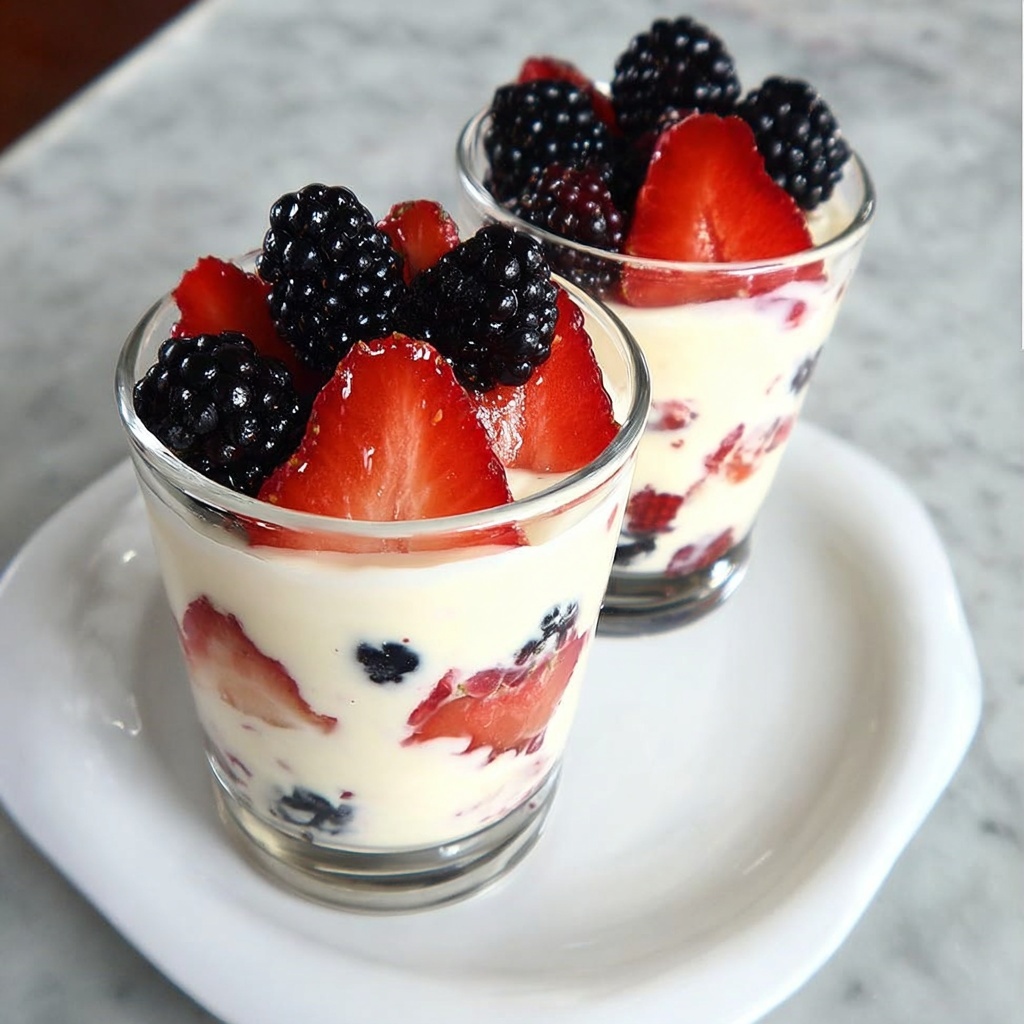
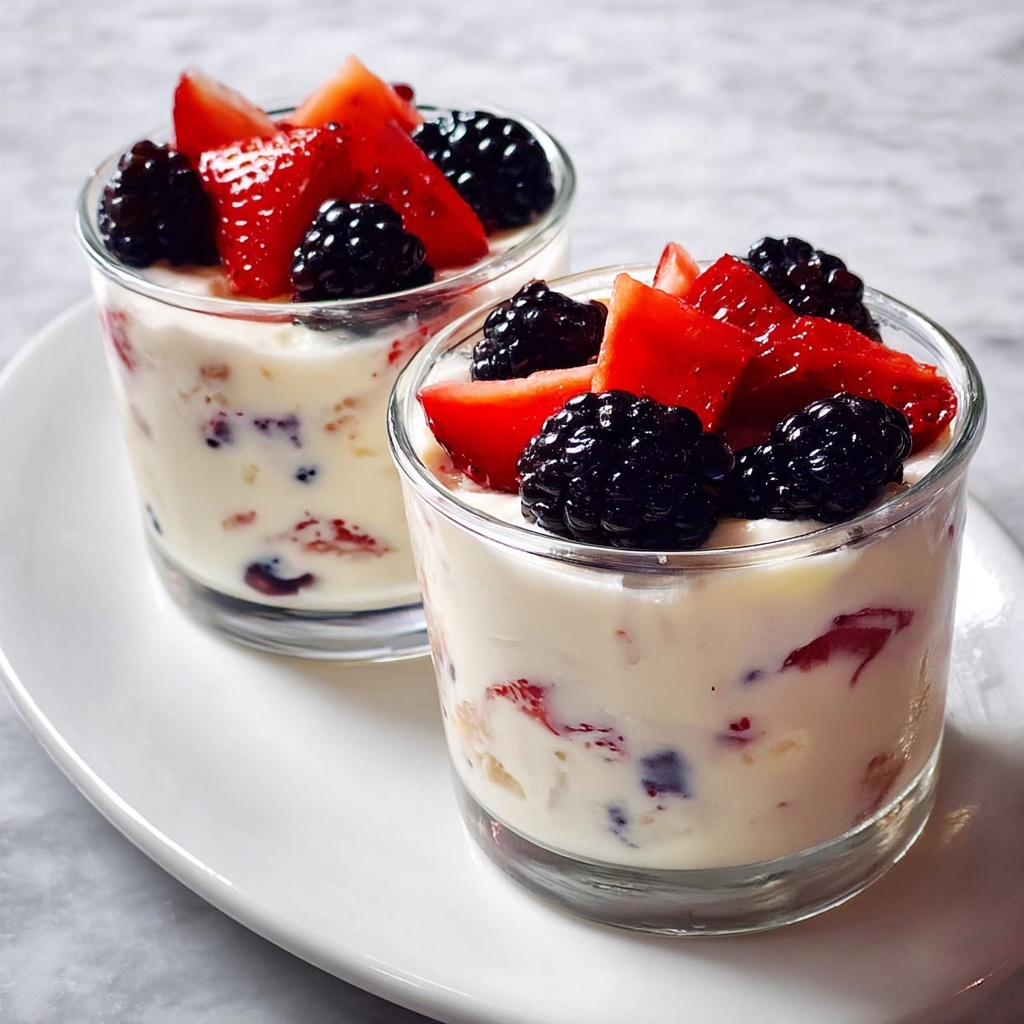
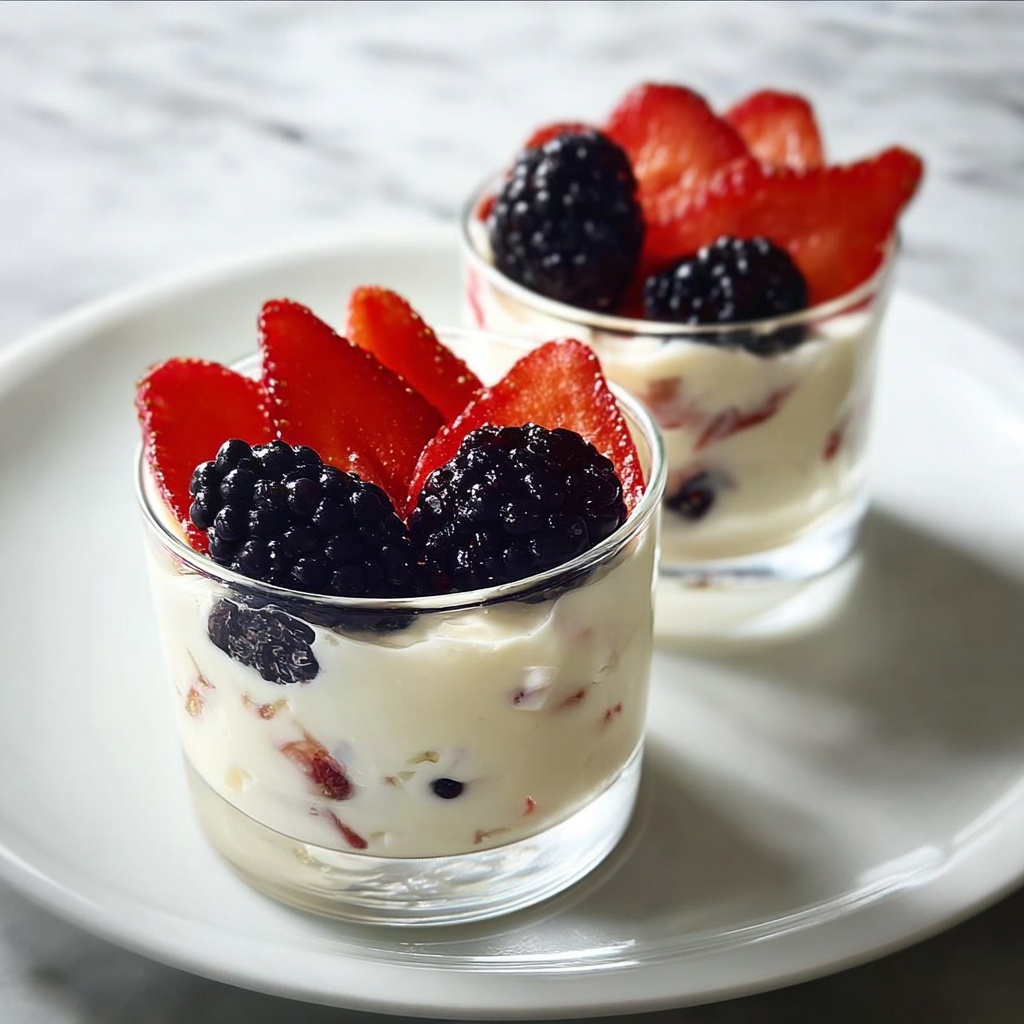
The charm of a Sabayon Recipe is in its versatility. A handful of vibrant fresh berries makes a stunning, juicy contrast that bursts with freshness against the creamy sabayon. Alternatively, crisp biscotti add satisfying crunch, letting you scoop the sauce onto them for little spoons of happiness.
Side Dishes
This custard sauce pairs wonderfully with simple fruit salads, poached pears, or even steamed sponge cakes. Its delicate sweetness and smooth texture can also elevate a plate of roasted stone fruits, making your dessert plate feel extra special with minimal effort.
Creative Ways to Present
For a restaurant-style presentation, serve the sabayon in small glass ramekins or clear cups to show off its airy texture and pale golden hue. Drizzle a little extra wine reduction or sprinkle finely grated lemon zest on top for an extra pop of flavor and color that invites eager forks and spoons.
Make Ahead and Storage
Storing Leftovers
If you do happen to have any leftovers (though they rarely stick around), transfer your sabayon into an airtight container and refrigerate. It will keep well for up to two days, but be aware the texture may firm up slightly upon chilling.
Freezing
Freezing is not recommended for sabayon as it can separate and lose its characteristic lightness once thawed. Enjoy it fresh for the best experience, as the delicate texture is part of what makes this recipe so delightful.
Reheating
To warm up leftover sabayon, the gentle approach is best. Place it over a double boiler and whisk gently to bring it back to temperature without curdling. A quick zap in the microwave on low power can work but requires close attention and frequent stirring.
FAQs
Can I substitute the wine in the Sabayon Recipe?
Absolutely! If you prefer a non-alcoholic version, white grape juice or apple cider works beautifully as a substitute. It will maintain that fruity brightness without the alcohol content.
How do I know when the sabayon is ready?
You’re looking for a thick, pale, creamy custard that forms soft ribbons when you lift the whisk or spoon. This usually takes about 7 to 10 minutes of constant whisking over simmering water.
What’s the best way to whisk the sabayon?
Use a balloon whisk for maximum air incorporation, and keep steady, consistent motion to avoid scrambling the eggs and to achieve a light, fluffy texture.
Can I make sabayon without a double boiler?
It’s possible but risky; the double boiler provides gentle, even heat that prevents the eggs from cooking too quickly. If you must, use the lowest heat possible and whisk constantly, but the double boiler method is highly recommended.
Is sabayon gluten-free?
Yes! This Sabayon Recipe is naturally gluten-free, making it suitable for those with gluten sensitivities or anyone seeking a delicious dessert without gluten.
Final Thoughts
There is something incredibly rewarding about whisking a simple mixture into a luxurious, cloudlike Sabayon Recipe that tastes like a fancy dessert but feels totally doable. Whether you’re impressing guests or just treating yourself, this classic sauce brings warmth, elegance, and light sweetness to any dessert table. Give it a try—you might just find yourself making it again and again!
Print
Sabayon Recipe
- Prep Time: 5 minutes
- Cook Time: 10 minutes
- Total Time: 15 minutes
- Yield: 4 servings
- Category: Dessert
- Method: Stovetop
- Cuisine: French / Italian
- Diet: Vegetarian, Gluten Free
Description
This classic Sabayon recipe is a light, airy custard sauce made by whisking egg yolks, sugar, and dry white wine or Marsala over gentle heat. Perfectly creamy with a slight sweetness and delicate wine flavor, it’s traditionally served warm over fresh berries or biscotti, making it an elegant and easy dessert topping or sauce.
Ingredients
Sabayon
- 4 large egg yolks
- ¼ cup granulated sugar
- ½ cup dry white wine or Marsala wine
Optional Serving
- Fresh berries
- Biscotti
Instructions
- Prepare Double Boiler: Fill a medium saucepan with about 1 inch of water and bring it to a gentle simmer over medium heat. Once simmering, reduce the heat to low to maintain gentle steam without boiling.
- Whisk Egg Yolks and Sugar: In a heatproof bowl (glass or metal) that fits securely over the saucepan without touching the water, whisk together the egg yolks and granulated sugar until the mixture becomes light in color and creamy in texture.
- Add Wine and Cook: Place the bowl over the simmering water. Gradually whisk in the dry white wine or Marsala, then whisk constantly for 7 to 10 minutes. The mixture should thicken, become pale, and form soft ribbons when lifted with a spoon, indicating it has reached the right custard consistency.
- Finish and Serve: Remove the bowl from heat and continue whisking for an additional minute to cool slightly. Serve the Sabayon warm immediately over fresh berries or biscotti, or allow it to cool completely and chill for a refreshing cold dessert sauce.
Notes
- Sabayon is traditionally served warm over fruit or ladyfingers for a light dessert.
- Use Marsala wine for authentic Italian flavor or dry white wine for a more delicate taste.
- For a non-alcoholic version, substitute the wine with white grape juice or apple cider.
- Be careful to whisk constantly to prevent the eggs from curdling while cooking over the double boiler.