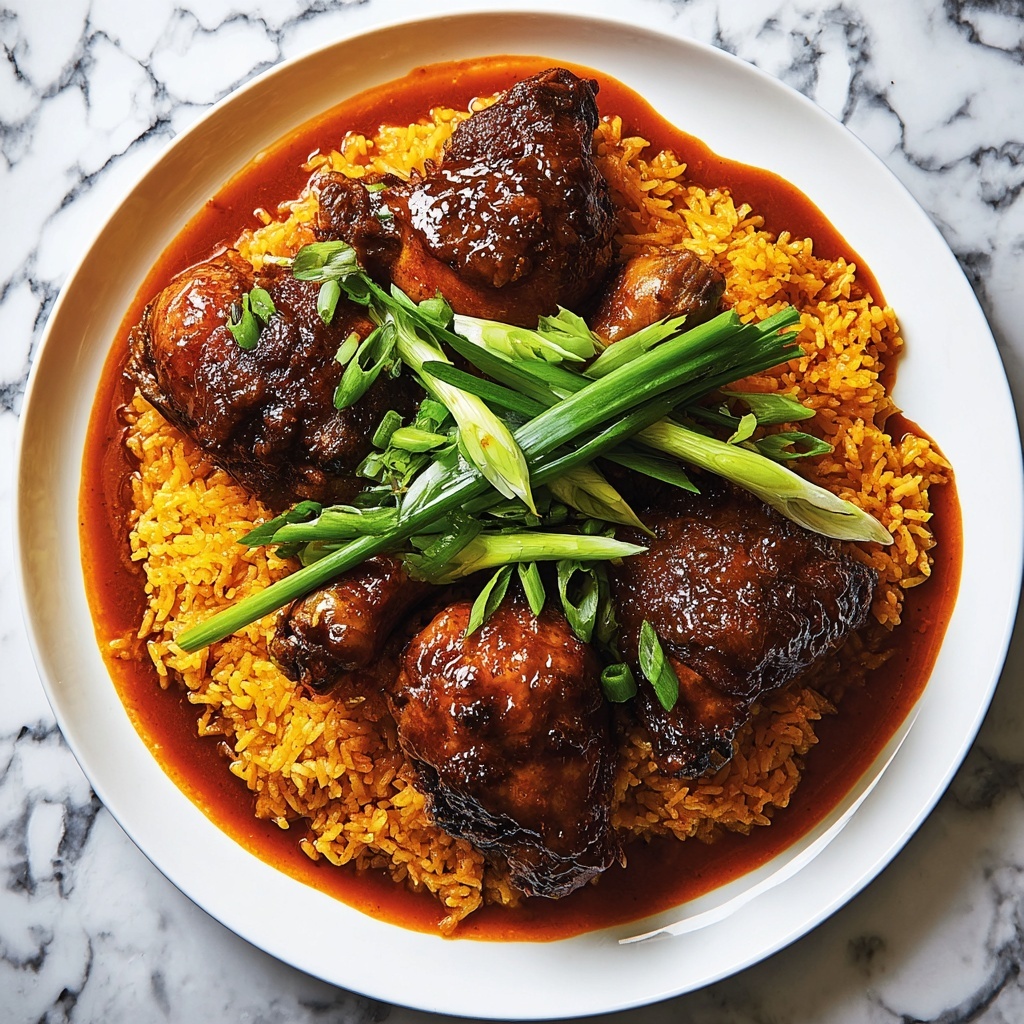
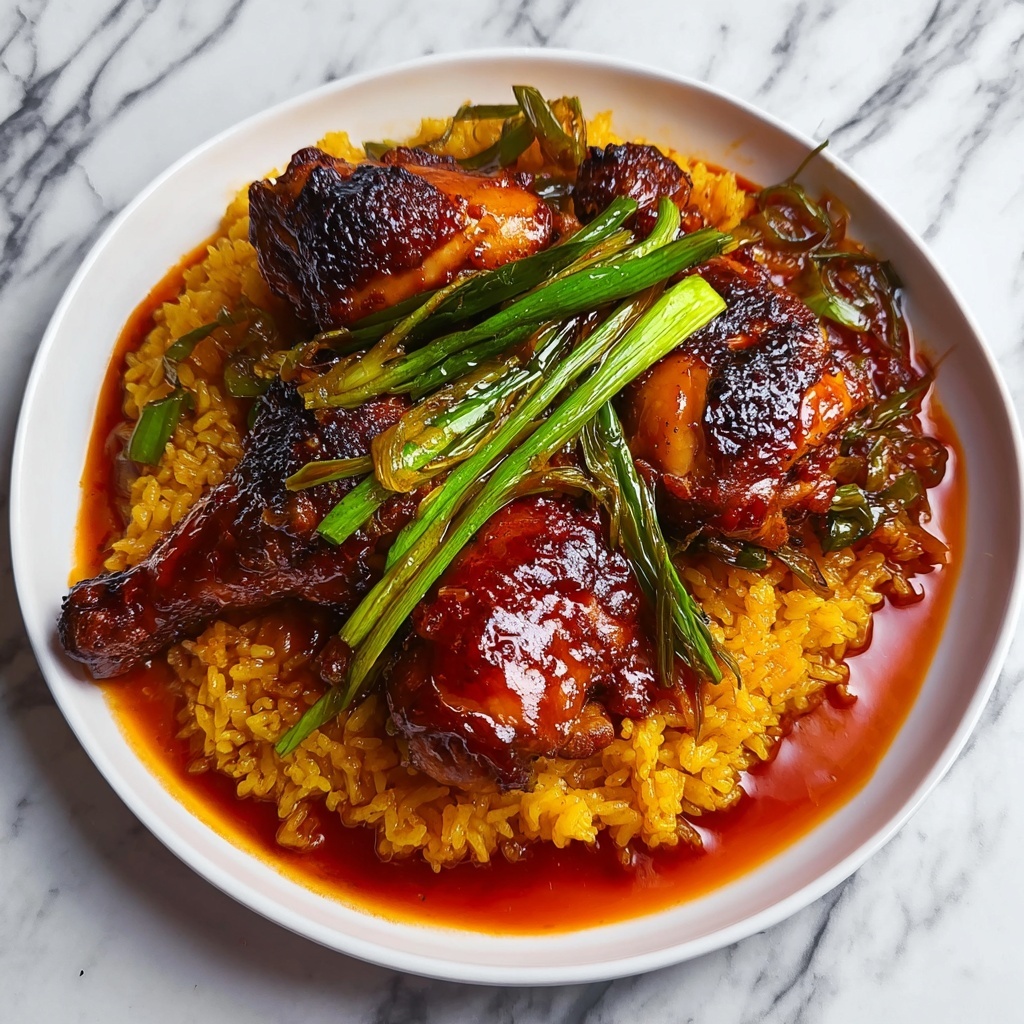
If you’re craving a dish that bursts with bold, savory flavors and delivers a perfect balance of textures, the Gochujang-Braised Chicken and Crispy Rice Recipe is your new go-to meal. This recipe combines tender chicken thighs simmered lovingly in a spicy, sweet, and tangy gochujang sauce with a golden crispy rice crust that adds just the right crunch. It’s a delightful dance of heat, umami, and comfort all on one plate, making it perfect for weeknight dinners or impressing friends without spending hours in the kitchen.
Ingredients You’ll Need
These simple yet essential ingredients come together to create a dynamic dish where every element shines. From the spicy kick of gochujang to the fragrant jasmine rice, each item plays a key role in texture, flavor, and the vibrant color palette of the meal.
- Bone-in, skin-on chicken thighs: The skin crisps up beautifully while the bone helps keep the meat juicy and tender.
- Gochujang (Korean chili paste): Adds a deep, spicy-sweet flavor that is central to this dish’s character.
- Soy sauce: Provides a savory saltiness that balances the sweetness and heat.
- Honey: Infuses a gentle sweetness that complements the chili paste perfectly.
- Garlic and fresh ginger: Bring aromatic warmth, enhancing the complexity of the sauce.
- Jasmine rice: Its slightly floral aroma and sticky texture make it ideal for creating a crispy crust.
- Chicken broth: Used for braising to impart richness and depth to the chicken.
- Vegetable oil: Helps achieve a golden, crispy skin on the chicken and crisp rice crust.
- Green onions and sesame seeds: Fresh garnishes that add crunch, color, and a nutty finish.
How to Make Gochujang-Braised Chicken and Crispy Rice Recipe
Step 1: Marinate the Chicken
Start by patting your chicken thighs dry—this is crucial for getting that skin crisp later on. Season them simply with salt and pepper to enhance their natural flavor. Whisk together the gochujang, soy sauce, honey, minced garlic, and grated ginger until smooth, then coat the chicken thighs completely. Letting them rest in this spicy, aromatic marinade for at least 10 minutes allows the flavors to penetrate deeply.
Step 2: Sear the Chicken
Heat your vegetable oil in a large skillet over medium-high heat. Place the chicken thighs skin-side down and allow them to sear undisturbed for 4 to 5 minutes until the skin turns a beautiful golden brown. Flip and sear the other side for an additional 4 minutes. This step locks in juices and creates mouthwatering texture before the braising.
Step 3: Braise to Perfection
Pour the chicken broth into the skillet and bring it to a gentle boil. Reduce the heat to low and cover the pan. Let the chicken slowly braise for 15 to 20 minutes, allowing it to cook through while soaking up all the flavorful juices. This process makes the meat incredibly tender and infused with the rich sauce.
Step 4: Prepare Jasmine Rice
While the chicken cooks, rinse your jasmine rice well to remove excess starch, then cook it separately with water until tender—about 15 minutes. Once cooked, let the rice cool slightly. This cooling helps the rice grains firm up for the crispy crust you will create next.
Step 5: Make the Crispy Rice Crust
In a clean skillet, add a little water and bring it to a simmer. Add the cooked jasmine rice and press down firmly using the back of a spatula or the bottom of a bowl. Let it cook undisturbed for about 5 minutes until the bottom forms a glorious golden crust. This crispy rice adds an incredible textural contrast to the tender chicken.
Step 6: Plate and Serve
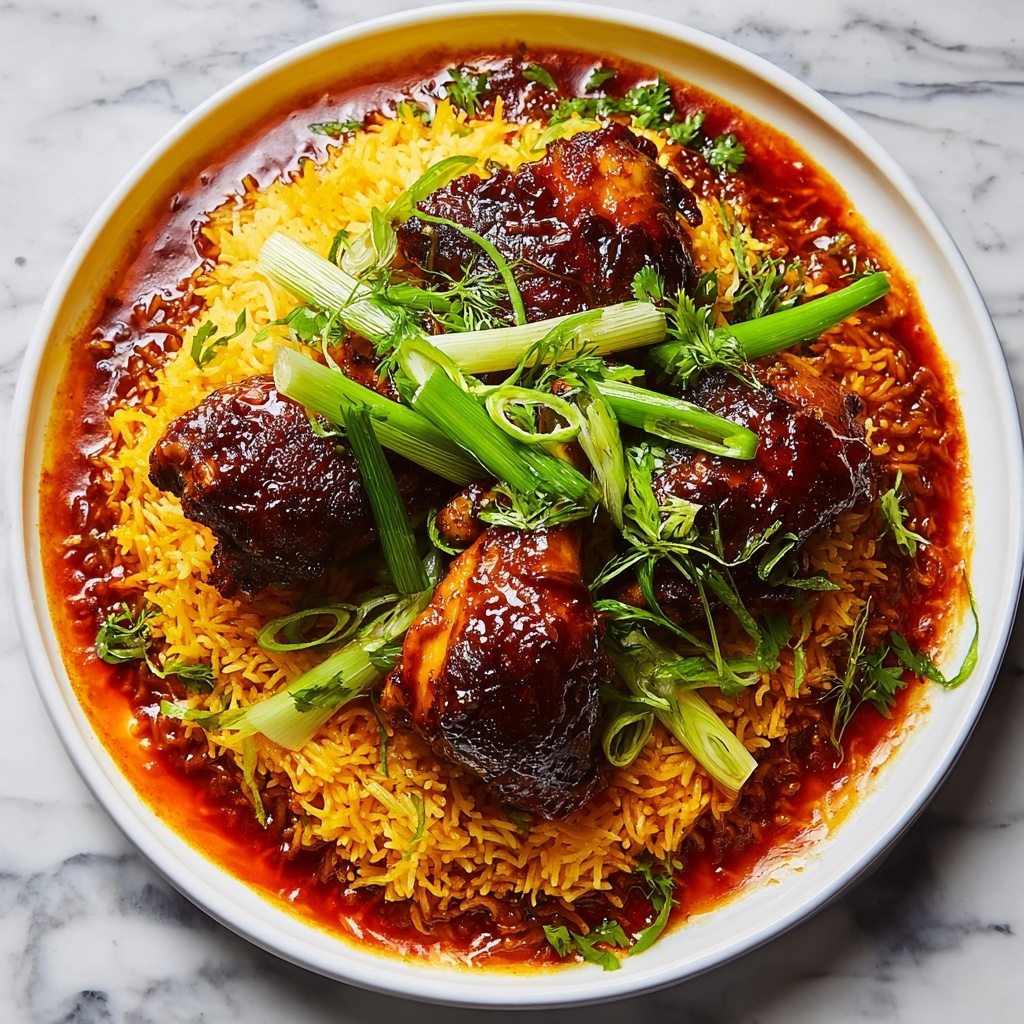
To serve, place the crispy rice on your plates as a base, top it with the luscious gochujang-braised chicken, and drizzle over some of the flavorful braising sauce. Don’t forget to sprinkle sliced green onions and sesame seeds on top to add color, freshness, and a delightful crunch.
How to Serve Gochujang-Braised Chicken and Crispy Rice Recipe
Garnishes
Simple garnishes make a huge difference here. The sliced green onions give a fresh, oniony bite that cuts through the richness, while the sesame seeds bring toasty nuttiness and a subtle crunch. Together, they brighten the dish visually and elevate every bite with extra layers of flavor.
Side Dishes
This dish pairs wonderfully with light, refreshing sides such as a crisp cucumber salad or steamed bok choy tossed with a splash of sesame oil. These add fresh, cooling notes that balance the spicy, rich chicken and crispy rice beautifully.
Creative Ways to Present
For a fun twist, serve in individual shallow bowls for a comforting one-bowl meal. Alternatively, turn the crispy rice portion into mini cakes to top with chicken for elegant appetizers at your next dinner party. Either way, the vibrant colors and textures will certainly impress.
Make Ahead and Storage
Storing Leftovers
Leftover gochujang-braised chicken and crispy rice keep well in an airtight container in the refrigerator for up to 3 days. Store the chicken and rice separately for the best texture when reheating.
Freezing
You can freeze cooked chicken thighs and rice separately in freezer-safe containers or bags for up to 2 months. Be sure to cool completely before freezing to preserve flavor and texture.
Reheating
Reheat the chicken gently in a skillet over medium-low heat to warm through without drying out, adding a splash of broth if needed. Re-crisp the rice in a hot, lightly oiled pan to restore its golden crust and fabulous crunch.
FAQs
Can I use boneless chicken thighs for this recipe?
Absolutely, but bone-in, skin-on thighs provide more flavor and moisture. If you use boneless, just reduce the braising time as they cook faster.
Is gochujang very spicy?
Gochujang has moderate heat with a balanced sweetness and umami. If you prefer less spice, start with less and adjust to taste.
Can I make this recipe gluten-free?
Yes! Simply use gluten-free soy sauce or tamari, and your dish will be safe for gluten-sensitive diners.
What type of rice works best for the crispy crust?
Jasmine rice is ideal due to its sticky texture and floral aroma, which crisps up nicely. Short-grain rice can also work well.
How do I know when the chicken is fully cooked?
Use a meat thermometer if you have one. The internal temperature should reach 165°F (74°C). The meat should also be tender and juices run clear.
Final Thoughts
This Gochujang-Braised Chicken and Crispy Rice Recipe has quickly become a beloved favorite because it’s approachable, bursting with flavor, and endlessly satisfying. Whether you’re treating yourself on a weeknight or sharing with family and friends, this dish makes every meal feel like a celebration. Give it a try, and I promise you’ll be coming back for seconds!
Print
Gochujang-Braised Chicken and Crispy Rice Recipe
- Prep Time: 15 minutes
- Cook Time: 30 minutes
- Total Time: 45 minutes
- Yield: 6 servings
- Category: Main Course
- Method: Stovetop
- Cuisine: Korean Fusion
Description
This flavorful Gochujang-Braised Chicken and Crispy Rice recipe features tender, spicy chicken thighs braised in a savory Korean chili paste marinade, served atop golden, crispy jasmine rice. Balanced with aromatic garlic and ginger, this dish offers a delicious fusion of textures and bold flavors, perfect for a satisfying weeknight dinner.
Ingredients
Chicken and Marinade
- 6 bone-in, skin-on chicken thighs
- 3 tablespoons gochujang (Korean chili paste)
- 2 tablespoons soy sauce
- 1 tablespoon honey
- 3 cloves garlic, minced
- 1 tablespoon grated fresh ginger
Rice and Cooking
- 2 cups jasmine rice
- 2 ½ cups chicken broth
- 2 tablespoons vegetable oil
Garnish
- 2 green onions, sliced
- 1 tablespoon sesame seeds
Instructions
- Season Chicken: Pat the chicken thighs dry with paper towels, then season them with salt and pepper evenly on all sides to enhance flavor.
- Prepare Marinade: In a medium bowl, whisk together the gochujang, soy sauce, honey, minced garlic, and grated ginger until smooth to create a spicy and sweet marinade.
- Marinate Chicken: Thoroughly coat the chicken thighs with the marinade, ensuring every piece is well covered. Allow the chicken to sit for at least 10 minutes to absorb the flavors.
- Heat Oil and Sear Chicken: Heat the vegetable oil in a large skillet over medium-high heat. Once hot, place the chicken thighs skin-side down and sear for 4-5 minutes until the skin is golden and crispy. Flip and sear the other side for an additional 4 minutes.
- Add Broth and Braise Chicken: Pour chicken broth into the skillet with the chicken and bring it to a gentle boil. Then reduce the heat to low, cover the skillet, and allow the chicken to braise for 15-20 minutes until thoroughly cooked and tender.
- Cook Jasmine Rice: Meanwhile, rinse the jasmine rice under cold water until the water runs clear. Cook the rice separately with fresh water according to package instructions, usually about 15 minutes, until tender.
- Make Crispy Rice: Once the rice is cooked, allow it to cool slightly. In a clean skillet, add a small amount of water and heat to a simmer. Add the cooked rice and press it down firmly to form a compact crust. Let it cook undisturbed for 5 minutes or until golden and crispy on the bottom.
- Plate and Garnish: Serve by placing the crispy rice on plates, topping it with the braised chicken. Drizzle some of the sauce from the skillet over the chicken and garnish with sliced green onions and sesame seeds for added flavor and texture.
Notes
- Marinating the chicken longer than 10 minutes will deepen the flavor; ideally marinate up to 30 minutes.
- Use skin-on chicken thighs to achieve the best crispy texture during searing.
- Be sure to rinse the jasmine rice thoroughly to remove excess starch and avoid gummy rice.
- The crispy rice step is key for texture contrast, pressing firmly to ensure a nice crust forms.
- If you prefer less spice, reduce the amount of gochujang or add a bit more honey to balance the heat.