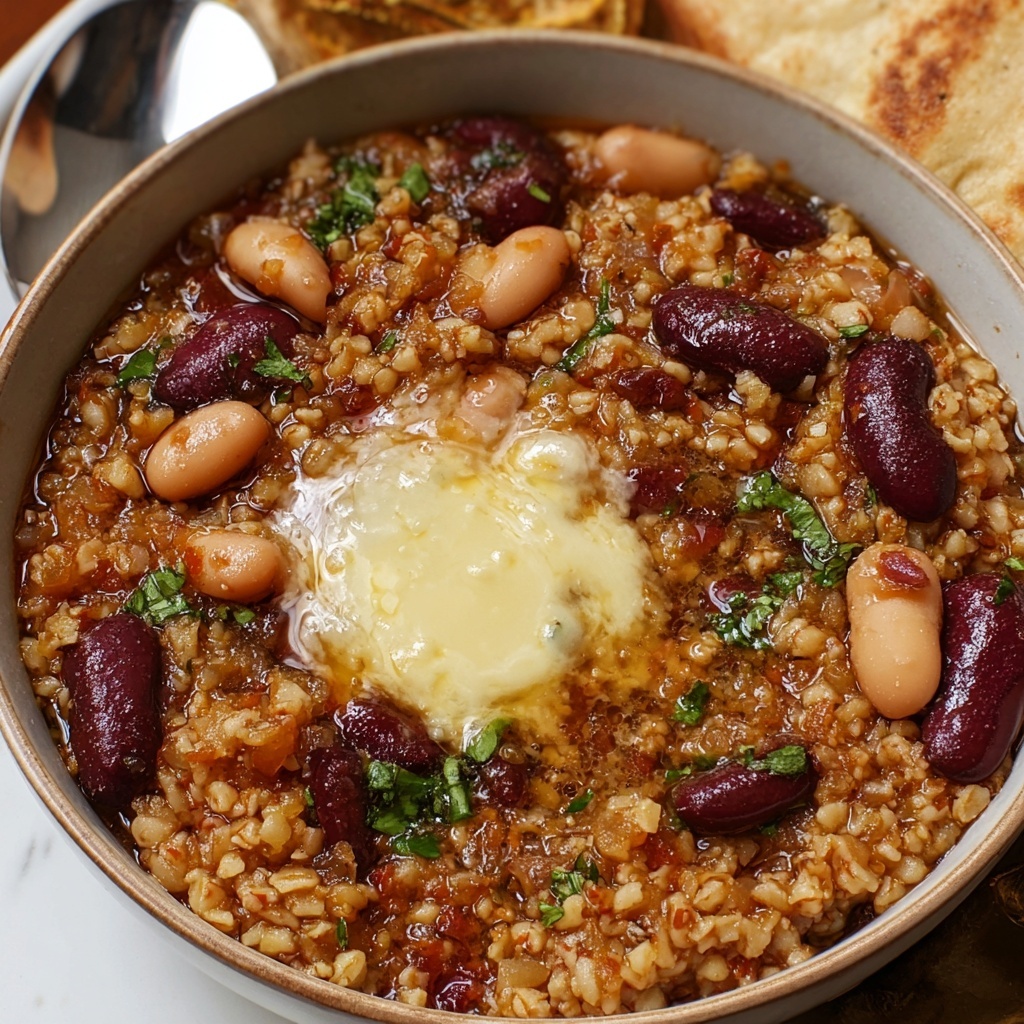
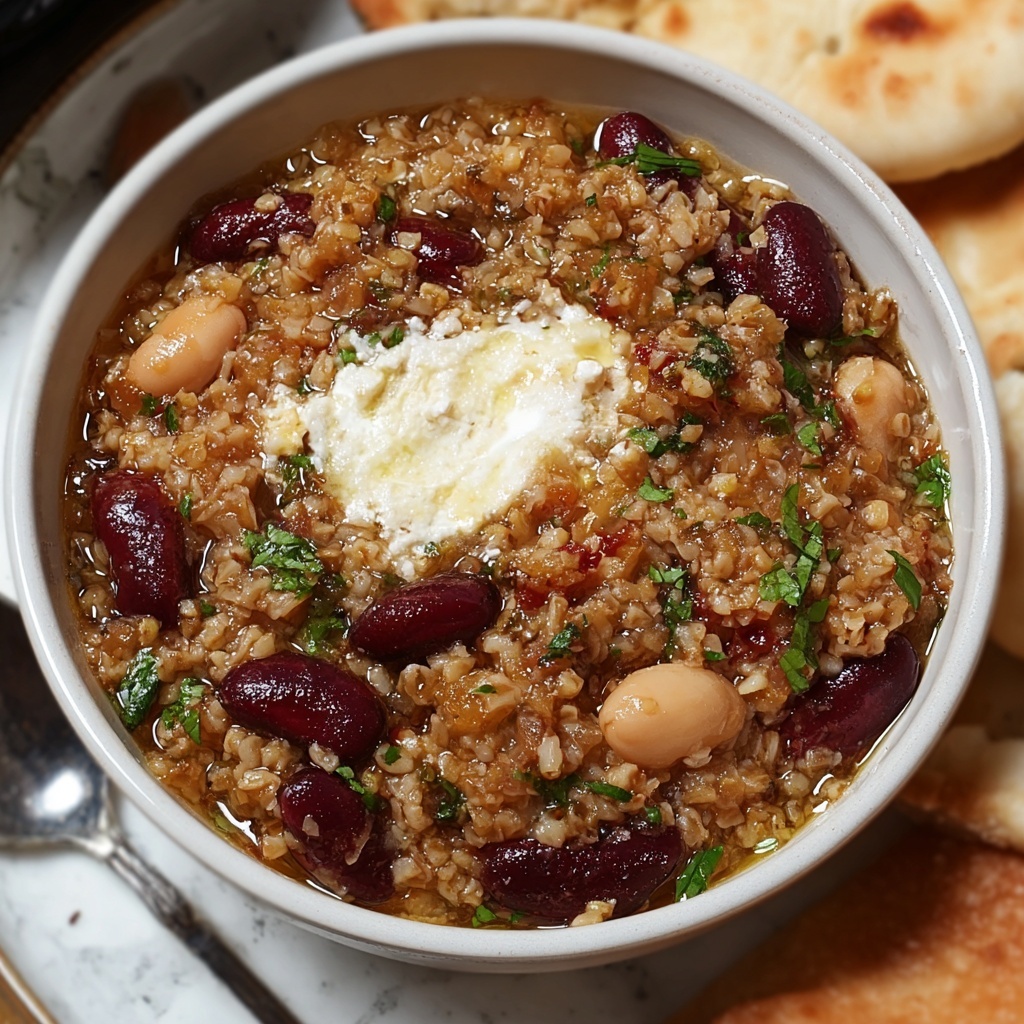
If you are craving something hearty, comforting, and packed with wholesome flavors, let me introduce you to the Mujaddara bi Fasolia: Lebanese Kidney Beans and Bulgur Stew Recipe. This traditional Middle Eastern dish brilliantly combines tender kidney beans, nutty bulgur, and sweet caramelized onions into a stew that is both satisfying and incredibly flavorful. It’s the kind of meal that feels like a warm hug after a long day, offering rich textures and an earthy depth that only a slow-cooked, lovingly prepared stew can provide. Whether you’re new to Lebanese cuisine or a longtime fan, this recipe will quickly become a cherished staple at your table.
Ingredients You’ll Need
These ingredients might seem simple, but each one plays a crucial role in shaping the character of the stew. Together, they create a symphony of textures and tastes that make Mujaddara bi Fasolia shine.
- 2½ cups dried kidney beans: The star protein of the dish, providing a tender texture and hearty flavor that soaks up all the spices and seasonings.
- 2 large onions, finely minced: Essential for caramelizing to add that deep sweetness and crispy contrast on top of the stew.
- 1 cup coarse bulgur: Adds a satisfying chewiness and nutty undertones that balance the creaminess of the beans.
- ¼ cup olive oil: For richness and to bring all the ingredients together seamlessly with a fruity depth.
- ⅓ cup vegetable oil: Perfect for frying the onions until they reach that perfect golden, crispy caramelization.
- ½ teaspoon salt: Enhances all the natural flavors without overwhelming the palate.
- 4 cups warm water: The cooking liquid that helps soften the beans and allows the bulgur to swell while integrating the flavors.
How to Make Mujaddara bi Fasolia: Lebanese Kidney Beans and Bulgur Stew Recipe
Step 1: Soak and Prepare the Beans
Start by soaking your kidney beans overnight; this step is so important because it softens the beans and reduces cooking time. After soaking, rinse them thoroughly to remove any impurities that might affect the stew’s texture or flavor.
Step 2: Parboil the Beans
Place the beans in a pot with fresh water and bring to a boil for about 5 to 10 minutes. This quick boil helps get rid of excess starch and makes the beans easier to digest. Drain and discard this water, then refill the pot with 4 cups of warm water to begin the gentle cooking.
Step 3: Caramelize the Onions
While the beans simmer, heat the vegetable oil in a frying pan over medium heat. Add the finely minced onions and cook them slowly for 15 to 20 minutes, stirring occasionally, until they’re beautifully caramelized and crispy. This is the magic step that transforms the stew into a deeply flavorful masterpiece.
Step 4: Make the Onion Broth
Discard the excess oil from your onions, then pour in 2 cups of boiling water from the beans. Let it boil for 10 to 15 minutes until the water takes on a warm, caramel color, full of that sweet onion essence. This broth will infuse the beans with amazing flavor.
Step 5: Combine the Onion Broth with Beans
Transfer the onion broth back into the pot with the beans and keep it simmering gently over medium heat for 15 to 20 minutes. This slow cooking melds the flavors and softens the beans perfectly.
Step 6: Add Bulgur and Final Touches
Stir in ¼ cup of olive oil and the coarse bulgur, then sprinkle in the salt. Mix everything thoroughly and let it boil together for another 10 to 15 minutes, which thickens the stew to just the right consistency. The bulgur absorbs the liquid and flavors, providing a lovely contrast in texture and heartiness to the beans.
How to Serve Mujaddara bi Fasolia: Lebanese Kidney Beans and Bulgur Stew Recipe
Garnishes
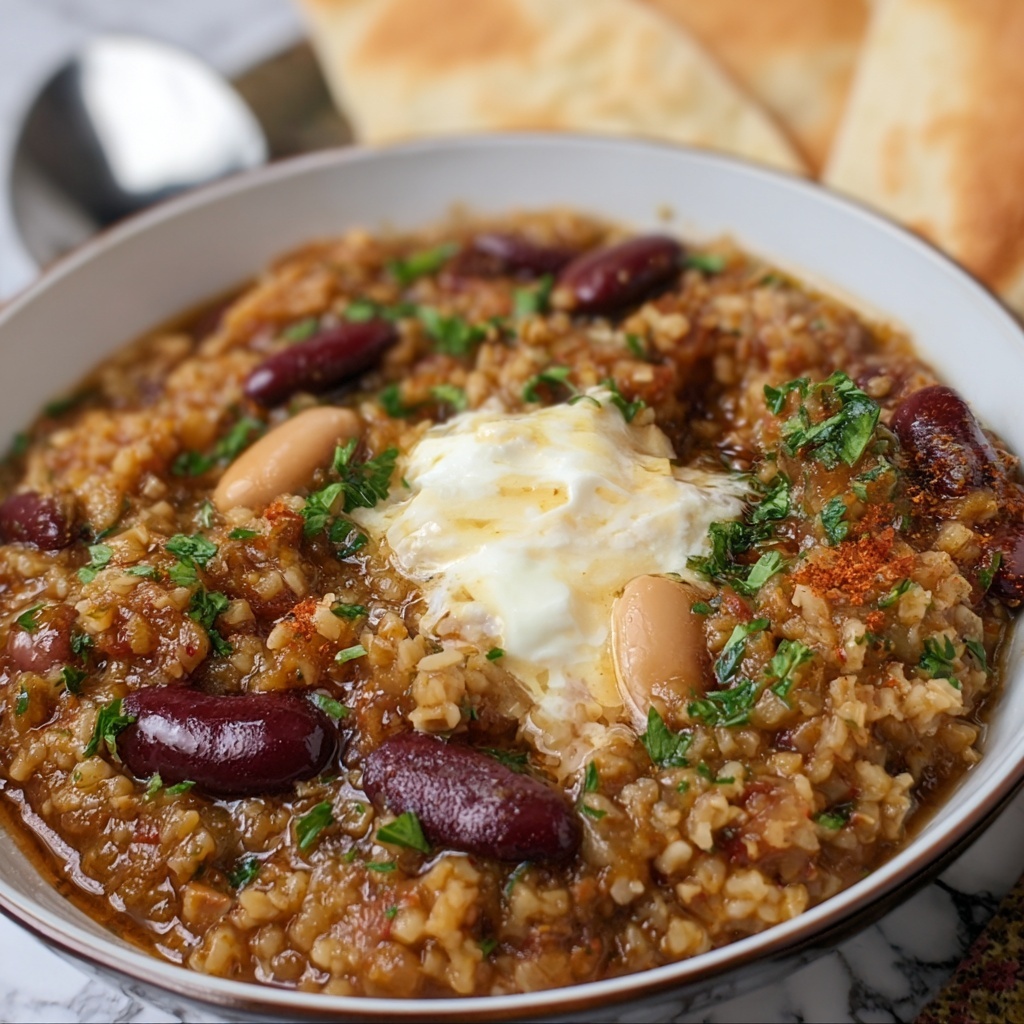
A generous topping of caramelized onions is customary and highly recommended—they add crunch and sweetness that lift the entire dish. Pair it with a dollop of plain yogurt for creaminess or fresh raw greens like radishes and green onions to add brightness and a peppery bite.
Side Dishes
Mujaddara bi Fasolia is versatile and pairs beautifully with warm pita bread to scoop up the stew. A simple cucumber and tomato salad dressed in lemon juice and olive oil complements the stew’s earthiness by adding fresh, tangy contrast.
Creative Ways to Present
For a modern twist, turn this traditional stew into a vibrant grain bowl by topping with fresh herbs like parsley and mint, and a drizzle of tahini sauce. You can also serve it chilled as a protein-packed salad with chopped vegetables for a lighter, refreshing meal during warmer months.
Make Ahead and Storage
Storing Leftovers
Leftover Mujaddara bi Fasolia keeps wonderfully in an airtight container in the fridge for up to 4 days. The flavors only deepen as it sits, making it a perfect make-ahead meal for busy days.
Freezing
If you want to prep in advance, this stew freezes beautifully. Portion it into freezer-safe containers and freeze for up to 3 months. When thawed, the texture remains hearty, and the flavors stay rich and comforting.
Reheating
To reheat, warm the stew gently on the stove over low heat with a splash of water to loosen it if needed. Stir occasionally until piping hot. Microwave reheating works well too by covering the dish to retain moisture and heating in short intervals.
FAQs
Can I use canned kidney beans instead of dried ones?
Absolutely! Using canned beans is a time-saver; just rinse and drain them before adding to the stew. Reduce the initial boiling steps, but keep in mind that the texture might be slightly different, although still delicious.
Is bulgur the same as cracked wheat?
Bulgur is a type of cracked wheat that has been partially cooked, making it quicker to prepare and easier to digest. Using coarse bulgur in this recipe gives the stew a hearty texture and subtle nutty flavor.
Can this dish be made vegan and gluten-free?
This recipe is naturally vegan since it contains no animal products, but it is not gluten-free because bulgur is made from wheat. To make it gluten-free, substitute bulgur with quinoa or rice, but the flavor and texture will vary slightly.
What do I do if the stew is too thick after cooking?
Simply stir in a bit of warm water or broth to loosen the stew to your preferred consistency. This will also help rehydrate the bulgur if it has absorbed too much liquid.
Can I add spices or herbs to customize the flavor?
Definitely! While the traditional recipe relies on simple ingredients, feel free to experiment with cumin, coriander, or fresh herbs like parsley and mint to add your own twist. Just add spices gradually to avoid overpowering the dish.
Final Thoughts
There is something truly special about making and sharing Mujaddara bi Fasolia: Lebanese Kidney Beans and Bulgur Stew Recipe. Its comforting warmth and rich layers of flavor make it a perfect meal for any day. I encourage you to give this recipe a try—not only will it become a favorite, but it also invites you to slow down, savor, and enjoy the beautiful simplicity of Lebanese cuisine.
Print
Mujaddara bi Fasolia: Lebanese Kidney Beans and Bulgur Stew Recipe
- Prep Time: 8 hours (including soaking time)
- Cook Time: 1 hour 15 minutes
- Total Time: 9 hours 15 minutes
- Yield: 4 servings
- Category: Main Dish
- Method: Stovetop
- Cuisine: Lebanese
- Diet: Vegan
Description
Mujaddara bi Fasolia is a traditional Lebanese stew featuring tender kidney beans and coarse bulgur cooked together with rich caramelized onions. This hearty dish combines earthy legumes and nutty bulgur in a flavorful and comforting one-pot meal that can be enjoyed hot or cold, often accompanied by plain yogurt, fresh greens, and pita bread.
Ingredients
Beans
- 2½ cups dried kidney beans
- 4 cups warm water
- ½ teaspoon salt
Onions and Oil
- 2 large onions, finely minced
- ¼ cup olive oil
- ⅓ cup vegetable oil (or additional olive oil for frying)
Other
- 1 cup coarse bulgur
Instructions
- Soak and Prepare the Kidney Beans: Soak the dried kidney beans in water overnight to soften them thoroughly. Next day, drain and rinse the beans under fresh water.
- Boil and Cleanse the Beans: Place the soaked beans in a pot and cover them with fresh water. Bring to a rolling boil for 5–10 minutes to remove impurities, then drain and discard this water.
- Cook the Beans Gently: Refill the pot with 4 cups of warm water and return the beans to a gentle boil. This helps cook the beans evenly without breaking them apart.
- Caramelize the Onions: In a frying pan, heat ⅓ cup of vegetable oil over medium heat. Add the finely minced onions and sauté slowly for 15–20 minutes, stirring frequently, until they are deeply caramelized and crispy.
- Drain Excess Oil: Once the onions are caramelized, carefully discard the excess oil from the pan, leaving just the flavorful onion bits behind.
- Extract Onion Flavor: Pour 2 cups of the boiling bean water into the pan with caramelized onions. Boil this mixture for 10–15 minutes until the water transforms into a deep caramel color, intensifying the flavor.
- Incorporate Onion Mixture into Beans: Transfer the caramelized onion broth back into the pot with the beans. Continue boiling the combined mixture over medium heat for another 15–20 minutes to meld the flavors.
- Add Bulgur and Season: Stir in ¼ cup olive oil and 1 cup of coarse bulgur into the bean mixture. Add ½ teaspoon of salt to season evenly and mix well.
- Simmer to Finish: Let the stew boil gently for an additional 10–15 minutes until the bulgur absorbs the liquid and the stew thickens to a creamy consistency.
- Serve: Serve Mujaddara bi Fasolia hot or cold with accompaniments like plain yogurt, fresh greens such as raw onions, green onions, or radishes, and warm pita bread for a full, delicious meal experience.
Notes
- Soaking the beans overnight drastically reduces cooking time and improves digestibility.
- Slowly caramelizing the onions is key to developing the stew’s deep, sweet flavor.
- Discarding the first boiling water of the beans helps remove any bitterness and impurities.
- You can substitute vegetable oil with extra olive oil for a richer taste.
- This dish can be served hot as a stew or cold as a salad-like side.
- Adjust salt to taste, especially if serving with salty accompaniments.
- For added texture, garnish with toasted pine nuts or fresh herbs like parsley.