
If you have ever dreamed of waking up to the intoxicating aroma of freshly baked pastry that melts in your mouth, then you are absolutely going to love this Classic Flaky Croissants from Scratch Recipe. This recipe isn’t just about baking croissants; it’s about crafting buttery, golden layers that celebrate patience and precision, resulting in tender, flaky perfection that feels like a warm hug on a plate. Delve into this step-by-step guide where simple ingredients transform into a bakery-quality treat you’ll be proud to share with family and friends.

Ingredients You’ll Need
Every ingredient plays a pivotal role in creating the texture and flavor that define these croissants. With just a handful of key elements, you’re set to build layers of crispiness and buttery richness that croissants are famous for.
- 4 cups (500g) all-purpose flour: Provides the sturdy, yet soft structure fundamental to flaky croissants.
- 1/4 cup (50g) granulated sugar: Adds the subtle sweetness that balances the buttery layers.
- 1 tablespoon (10g) salt: Enhances the overall flavor without overpowering the delicate pastry.
- 1 tablespoon (10g) active dry yeast: The magic starter that gives croissants their lightness and rise.
- 1 1/4 cups (300ml) warm milk: Activates yeast and contributes moisture and tenderness.
- 2 tablespoons unsalted butter, melted: Adds richness to the dough for better mouthfeel.
- 1 cup (225g) unsalted butter, cold and shaped into a flat square: This special butter block creates those signature flaky layers.
- 1 egg: Used for the egg wash to deliver that irresistible golden, shiny crust.
- 1 tablespoon milk: Mixed with egg to thin out the wash and ensure even browning.
How to Make Classic Flaky Croissants from Scratch Recipe
Step 1: Mix and Knead the Dough
Start by combining your flour, sugar, and salt in a large bowl or stand mixer. Dissolve your active dry yeast in warm milk until it becomes delightfully foamy, signaling it’s ready to work its magic. Adding this mixture along with melted butter to the dry ingredients will form the foundation of your dough. Knead everything together until smooth, which takes about 3 to 5 minutes. Once your dough feels elastic and cohesive, shape it into a rectangle and wrap it up tightly before chilling for one hour. This resting period allows the gluten to relax, making rolling much easier later.
Step 2: Prepare the Butter Block
Butter is the heart of every croissant’s flakiness. Take your cold butter and sandwich it between two sheets of parchment paper. Use a rolling pin to gently shape it into a neat 6-inch square, keeping it firm but pliable. If the butter starts to soften too much, pop it back into the fridge to solidify; maintaining the right butter temperature is critical for those beautiful layers in the finished croissant.
Step 3: Encapsulate the Butter with Dough
Roll your chilled dough out to a 12-inch square, then place your butter block diagonally in the center. Fold the dough corners over the butter, fully enclosing it as if wrapping a precious gift. This enclosure keeps the butter isolated as you create layers through folding and rolling—crucial for that perfect croissant texture.
Step 4: First Fold (Turn)
Roll the dough-butter package into a long rectangle, roughly 8 by 20 inches. Fold this rectangle into thirds like a letter—your first turn! Wrapping and refrigerating the dough for 30 minutes here helps maintain cold layers, preventing the butter from melting into the dough prematurely.
Step 5: Repeat Folds
To build the flakiest texture, repeat rolling the dough into rectangles, folding into thirds, and chilling two more times for a total of three turns. These repeated layers are what give croissants their signature puff and snap. Patience at this stage pays off delightfully with every bite.
Step 6: Roll Out Final Dough
After your final chill, roll the dough out into a large rectangle about 1/4-inch thick. This even thickness ensures a uniform bake and beautiful layering throughout your croissants.
Step 7: Cut Triangles
Trim the edges to keep things tidy and use a sharp knife or pizza cutter to slice the dough into triangles approximately 5 inches wide at the base. These shapes will be easy to roll and will maintain their crescent form perfectly during proofing and baking.
Step 8: Shape Croissants
With gentle hands, stretch the wide base of each triangle slightly and roll towards the narrow tip, curling into that iconic crescent shape. This shaping not only looks stunning but encourages even rising during proofing.
Step 9: Proof Croissants
Cover your shaped croissants with a loose cloth and let them proof at room temperature for 1.5 to 2 hours. Watch as they puff gently and become soft to the touch—this step is essential to develop their airy, buttery interior.
Step 10: Preheat Oven and Prepare Egg Wash
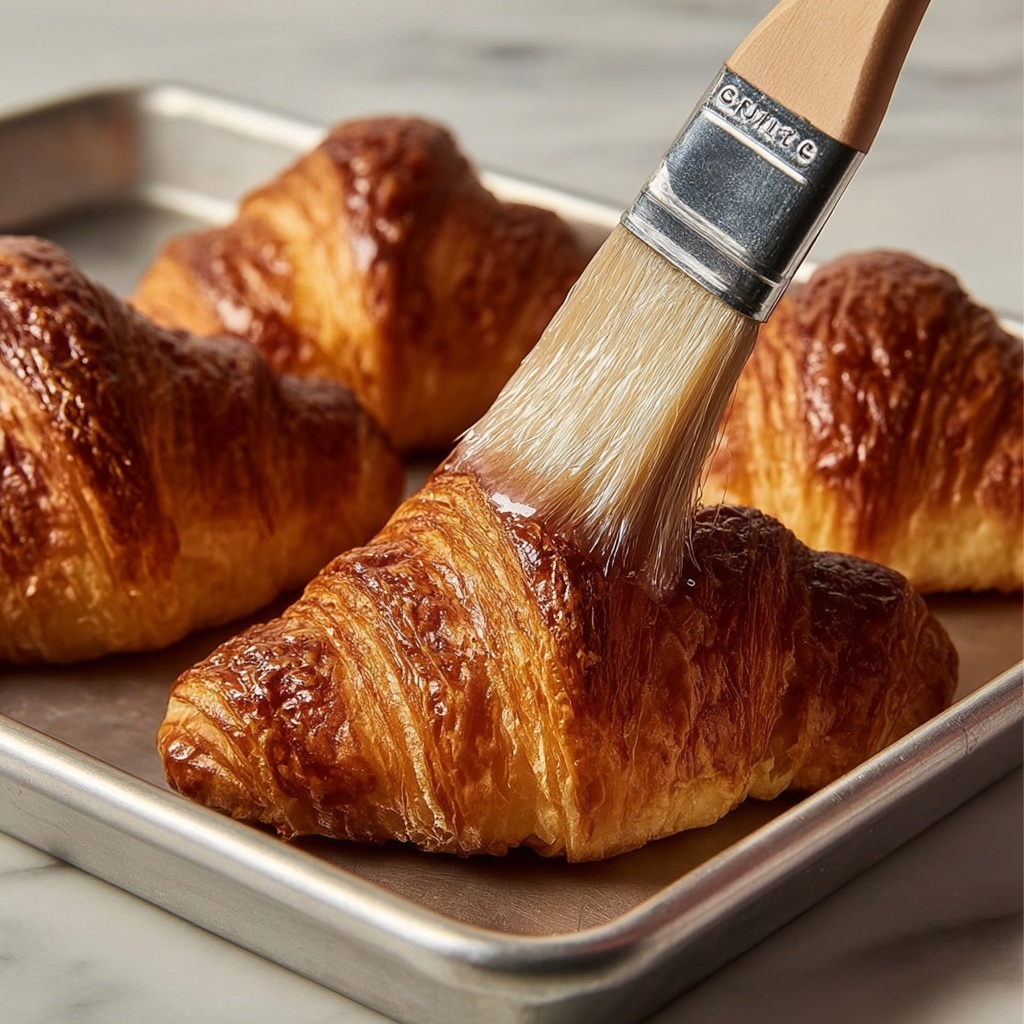
Preheat your oven to 400°F (200°C). Whisk together the egg and milk to create a shiny egg wash. Brushing this mixture neatly over each croissant before baking guarantees a gorgeous golden finish that shines as brightly as your baking pride.
Step 11: Bake Croissants
Arrange your croissants on a baking sheet and bake for 18 to 22 minutes. Aim for a deep golden brown color with a puffed appearance. For even baking results, rotate your pan halfway through the baking time. Soon, your kitchen will smell like a warm French bakery.
Step 12: Cool
Transfer freshly baked croissants to a wire rack and let cool for at least 10 minutes. This allows their flaky layers to set and develop that irresistible texture you’re after. Resist the urge to dig in too soon—the wait is so worth it.
How to Serve Classic Flaky Croissants from Scratch Recipe
Garnishes
While these Classic Flaky Croissants from Scratch Recipe shine splendidly all on their own, a light dusting of powdered sugar or a drizzle of honey can add a lovely touch for breakfast or brunch. Fresh berries or a smear of homemade jam complement their buttery layers beautifully.
Side Dishes
Pair your croissants with fresh fruit salad, creamy yogurt, or a selection of cheeses for a satisfying and elegant meal. For a heartier option, consider serving alongside scrambled eggs or smoked salmon, turning your croissant experience into a gourmet delight.
Creative Ways to Present
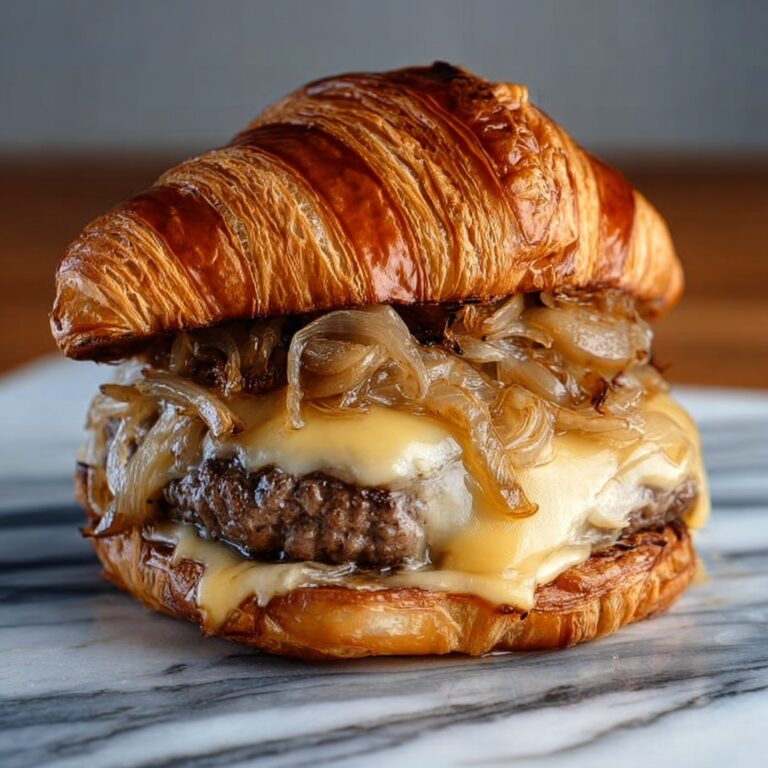
Transform these croissants into mini sandwiches with ham and Swiss, or swirl in Nutella or almond paste before rolling for a luscious twist. Serving your croissants on a wooden board garnished with fresh herbs and edible flowers creates a charming presentation that will wow your guests.
Make Ahead and Storage
Storing Leftovers
Leftover croissants maintain freshness best when stored in an airtight container at room temperature for up to 2 days. Avoid refrigerating as it tends to dry out the delicate pastry layers.
Freezing
You can freeze baked croissants by wrapping each piece individually in plastic wrap and placing in a freezer-safe bag for up to a month. When ready to enjoy, thaw them at room temperature to preserve that perfect flakiness.
Reheating
To bring back that fresh-out-of-the-oven crispness, reheat croissants in a preheated oven at 350°F (175°C) for 5 to 7 minutes. This method restores their buttery layers and flaky texture without drying them out.
FAQs
Can I use salted butter instead of unsalted butter?
While unsalted butter is preferred to control the salt levels, salted butter can be used if you adjust the added salt accordingly. Just keep in mind it might slightly alter the overall flavor balance.
How long does the entire Classic Flaky Croissants from Scratch Recipe take to make?
This croissant recipe typically takes about 2 hours and 30 minutes, including chilling and proofing times, making it a rewarding project for a leisurely day in the kitchen.
Do I need any special equipment to make croissants?
A rolling pin and a sharp knife or pizza cutter are the essentials. A stand mixer helps but is not necessary. Patience and temperature control are your best tools for success.
Why must the dough and butter be kept cold during folding?
Keeping both cold prevents the butter from melting into the dough, which is crucial for creating distinct layers that puff and flake when baked.
Can I add flavors like chocolate or almond inside these croissants?
Absolutely! Adding fillings like chocolate sticks or almond paste before rolling the croissants is a delicious way to customize this Classic Flaky Croissants from Scratch Recipe.
Final Thoughts
Embarking on making the Classic Flaky Croissants from Scratch Recipe is truly a joyous journey that pays off with every buttery, flaky bite. While it requires patience and care, the reward is a homemade bakery masterpiece as delightful to taste as it is to share. So go ahead, gather your ingredients, and treat yourself to a croissant experience that’s everything a warm kitchen and a thoughtful hand can create. You’ll be amazed at what you can make from scratch!
Print
Classic Flaky Croissants from Scratch Recipe
- Prep Time: 45 minutes
- Cook Time: 22 minutes
- Total Time: 2 hours 30 minutes
- Yield: 12 servings
- Category: Breakfast
- Method: Baking
- Cuisine: French
Description
This Classic Flaky Croissants recipe from scratch guides you through making buttery, tender, and beautifully layered croissants with a crisp golden crust. Using a traditional lamination technique, the dough is folded multiple times around a butter block to create delicate, flaky layers perfect for breakfast or any delightful treat.
Ingredients
Dough Ingredients
- 4 cups (500g) all-purpose flour
- 1/4 cup (50g) granulated sugar
- 1 tablespoon (10g) salt
- 1 tablespoon (10g) active dry yeast
- 1 1/4 cups (300ml) warm milk
- 2 tablespoons unsalted butter, melted
Butter Block
- 1 cup (225g) unsalted butter, cold and shaped into a flat square
Egg Wash
- 1 egg
- 1 tablespoon milk
Instructions
- Mix and knead the dough: In a large bowl or stand mixer, combine flour, sugar, and salt. Dissolve active dry yeast in warm milk and let it sit for 5 to 10 minutes until foamy. Add the yeast mixture and melted butter to the dry ingredients and knead for 3 to 5 minutes until a smooth dough forms. Shape the dough into a rectangle, wrap it in plastic wrap, and refrigerate for 1 hour.
- Prepare the butter block: Place cold unsalted butter between two sheets of parchment paper and roll into a 6-inch square. If the butter softens too much, chill it again to keep it firm.
- Encapsulate the butter with dough: Roll the chilled dough into a 12-inch square. Position the butter block diagonally in the center (diamond shape) and fold the corners of the dough over the butter to enclose it completely.
- First fold (turn): Roll the dough with butter into an 8 by 20-inch rectangle. Fold the rectangle into thirds like a letter. This completes the first “turn.” Wrap and chill the dough in the refrigerator for 30 minutes.
- Repeat folds: Perform the rolling, folding into thirds, and chilling two more times for a total of three turns to create flaky layers. Maintain dough coldness during these steps.
- Roll out final dough: After chilling from the last turn, roll the dough into a large rectangle approximately 1/4-inch thick to prepare for shaping.
- Cut triangles: Trim the edges and cut the dough into triangles about 5 inches wide at the base using a sharp knife or pizza cutter.
- Shape croissants: Starting at the wide base of each triangle, gently stretch and roll it toward the tip to form classic crescent shapes.
- Proof croissants: Cover the shaped croissants loosely and allow them to rise at room temperature for 1.5 to 2 hours until puffed and slightly risen.
- Preheat oven and prepare egg wash: Preheat the oven to 400°F (200°C). Beat together the egg and milk for the egg wash and gently brush over each croissant for a glossy golden finish.
- Bake croissants: Place croissants on a baking sheet and bake for 18 to 22 minutes until fully puffed and deep golden brown. Rotate the pan halfway through for even browning.
- Cool: Transfer croissants to a wire rack and cool for at least 10 minutes before serving to set layers and flaky texture.
Notes
- Keep the dough and butter cold throughout the process to ensure distinct flaky layers.
- If the butter softens during rolling, chill it briefly before continuing.
- For best results, use a stand mixer with a dough hook to knead the dough.
- Proofing times may vary depending on room temperature; look for puffiness and slight rise.
- Croissants are best eaten fresh but can be stored in an airtight container for up to 2 days.
- Reheat in a low oven to refresh crispness before serving.