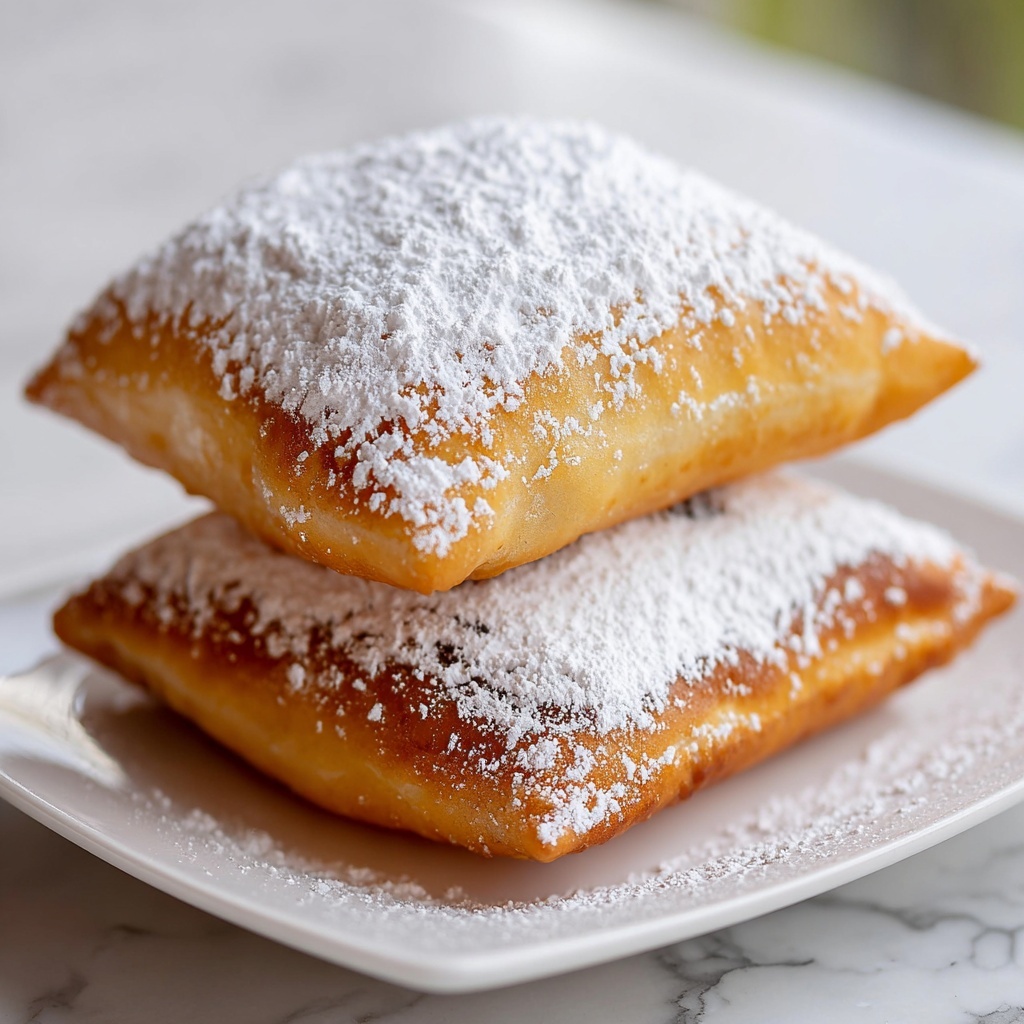
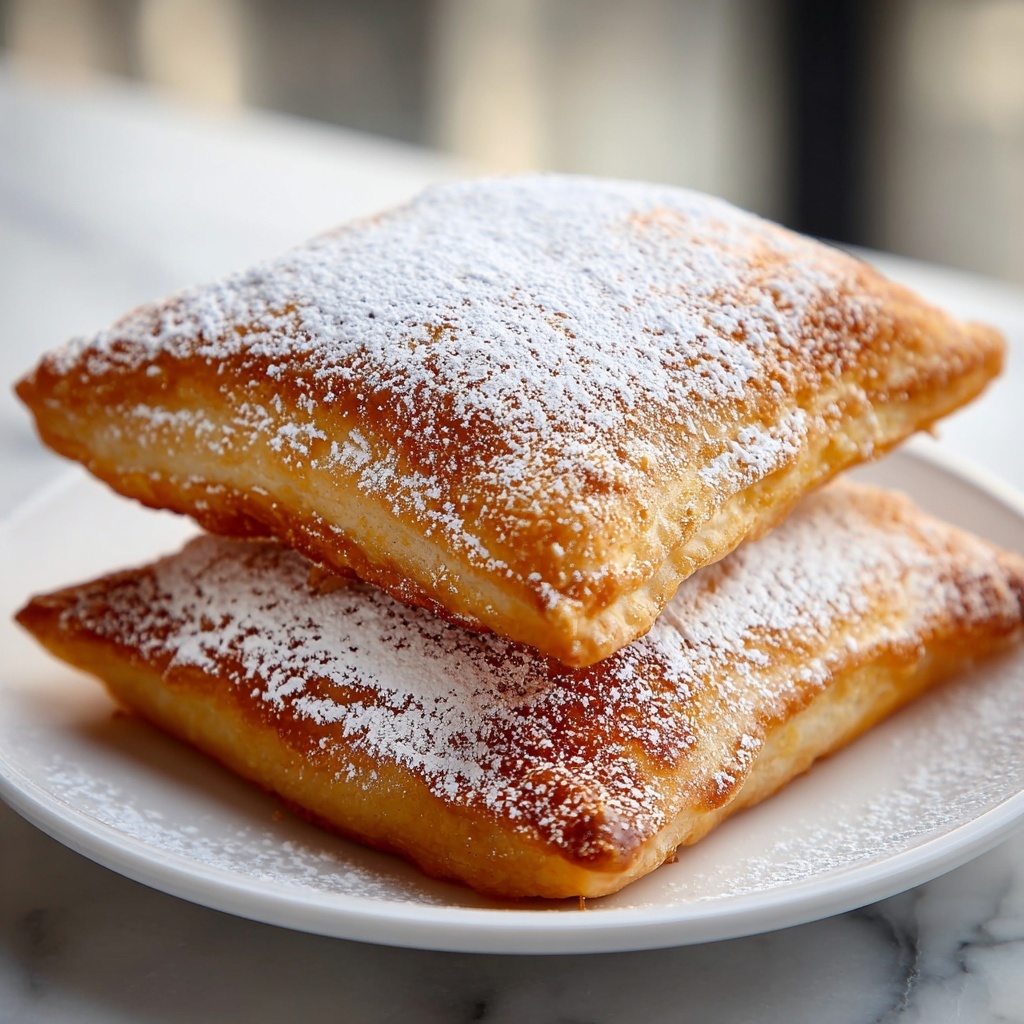
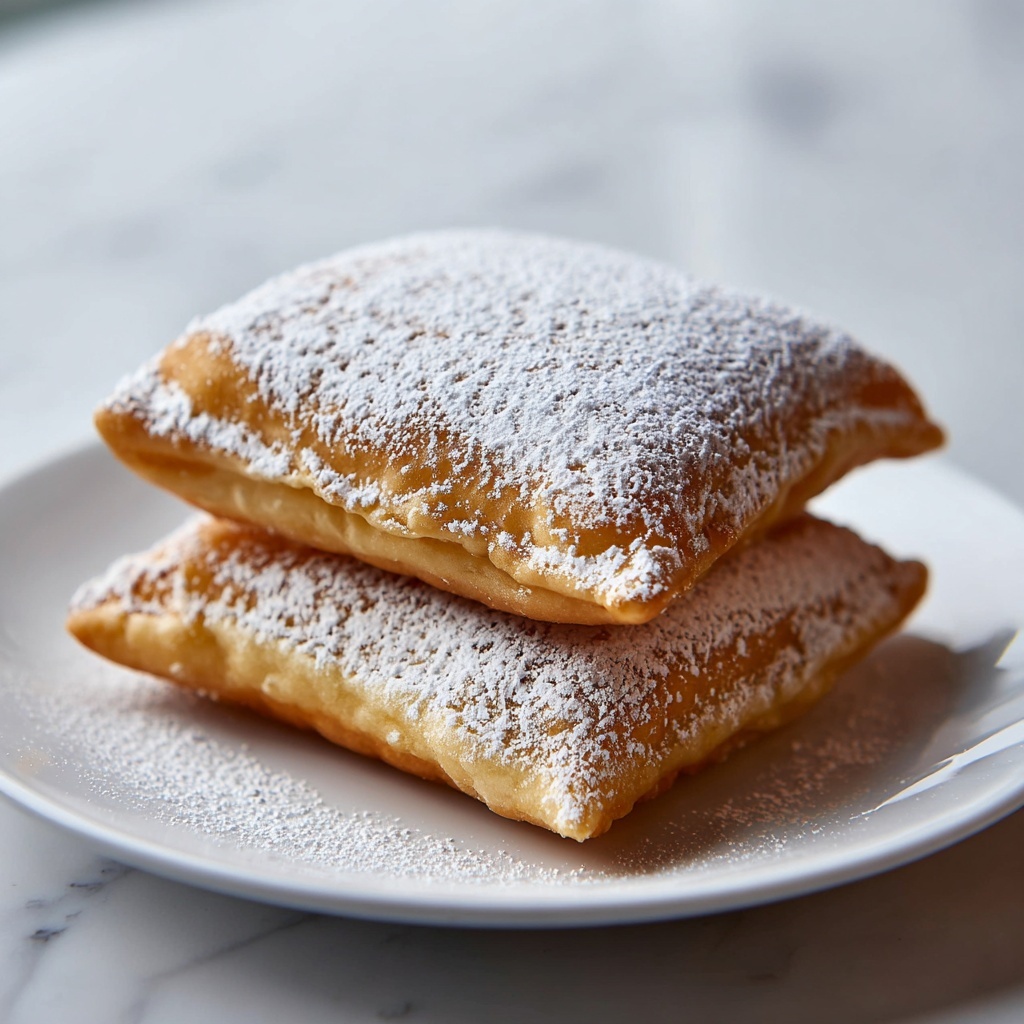
If you have ever dreamed of capturing the magic of a New Orleans café right in your own kitchen, the Classic New Orleans Beignets Recipe is exactly what you need. These golden, pillowy squares of fried dough, liberally dusted with powdered sugar, bring a delightfully sweet and satisfying experience that instantly transports you to the vibrant streets of the Crescent City. Whether you’re making them for a special brunch, a cozy weekend treat, or to impress guests, this recipe combines simplicity with authentic flavor, promising beignets that are light, fluffy, and utterly irresistible.
Ingredients You’ll Need
With just a handful of straightforward, pantry-friendly ingredients, this recipe strikes the perfect balance between tradition and ease. Each component plays a vital role in achieving that classic texture and taste that makes these beignets so beloved.
- All-Purpose Flour: The foundation for tender yet sturdy dough that rises beautifully.
- Granulated Sugar: Adds a touch of sweetness to complement the fried dough perfectly.
- Baking Powder: Provides the gentle lift that makes the beignets light and airy.
- Salt: Enhances all the flavors, preventing the dough from tasting bland.
- Whole Milk: Brings moisture and richness for a soft interior.
- Eggs: Help bind the dough and add a subtle richness.
- Vanilla Extract: Infuses a warm, inviting aroma that elevates the sweetness.
- Vegetable Oil: Essential for deep frying to a crispy, golden perfection.
- Powdered Sugar: The signature finish that delivers that snowy sweetness on top.
How to Make Classic New Orleans Beignets Recipe
Step 1: Mix the Dry Ingredients
Start by whisking together the all-purpose flour, granulated sugar, baking powder, and salt in a large bowl. This dry mix forms the base of your dough, ensuring every beignet has the perfect texture and a subtle sweetness that’s not overpowering.
Step 2: Combine the Wet Ingredients
In a separate bowl, beat together the whole milk, eggs, and vanilla extract until silky smooth. The vanilla adds that hint of warmth and depth, making your beignets smell and taste incredibly inviting from the very first bite.
Step 3: Bring the Dough Together
Gradually pour the wet ingredients into the dry, stirring gently until just combined. Be careful not to overmix; the goal is to preserve a soft dough that will fry up wonderfully fluffy. Overworking the dough could make the beignets tough, so keep it light.
Step 4: Shape the Dough
Lightly flour your work surface and knead the dough just a few times to bring it together. Roll it out to about ¼ inch thick, then cut into 2-inch squares. These bite-sized pieces are perfect for frying evenly and becoming delightfully crispy on the outside.
Step 5: Fry to Perfection
Heat your vegetable oil in a deep pot to 360°F (182°C). Carefully lower the beignets into the hot oil in batches, frying until each side is a beautiful golden brown—typically 1 to 2 minutes per side. This step is where the magic happens, transforming simple dough into irresistible golden pillows.
Step 6: Finish with Powdered Sugar
Drain your freshly fried beignets on paper towels to remove excess oil, then generously dust them with powdered sugar while they’re still warm. This sweet snow-like coating is the Classic New Orleans Beignets Recipe’s signature finish and the moment where your kitchen starts to smell like a classic French Quarter patisserie.
How to Serve Classic New Orleans Beignets Recipe
Garnishes
While the traditional powdered sugar topping is heavenly on its own, you can sprinkle a little cinnamon or cocoa powder for added flair. For a modern twist, drizzle with chocolate or caramel sauce or serve alongside fresh berries to brighten the experience and add a splash of color.
Side Dishes
Classic New Orleans Beignets Recipe shines alongside a steaming cup of strong coffee or chicory coffee, emulating the true spirit of a New Orleans café. For a complete brunch feel, pair with fresh fruit, creamy yogurt, or even a rich café au lait to create a balanced and indulgent morning spread.
Creative Ways to Present
For a fun presentation, stack the beignets in a rustic basket lined with parchment paper. You can set up a DIY powdered sugar station with additional sweet toppings, letting guests go wild dusting their own beignets. Another idea is to serve them on elegant dessert plates with small ramekins of fruit compote or whipped cream for dipping.
Make Ahead and Storage
Storing Leftovers
If you have any beignets left after devouring a batch (which is rare), store them in an airtight container at room temperature for up to one day. They are best enjoyed fresh, but this short-term storage helps preserve their flavor without sacrificing too much of their crispness.
Freezing
You can freeze uncooked cut dough squares by placing them on a baking sheet lined with parchment paper and freezing until firm. Transfer to a freezer-safe bag and keep for up to a month. When you’re ready for a treat, fry them straight from frozen, just add a little more frying time to ensure they cook through perfectly.
Reheating
To bring leftover beignets back to life, reheat them in a preheated oven at 350°F (175°C) for about 5 minutes. This helps restore some of their original crispness without making them greasy. Avoid microwaving as it can result in a soggy texture.
FAQs
Can I use baking soda instead of baking powder?
Baking powder is key in this Classic New Orleans Beignets Recipe because it provides the rise and lift that baking soda alone cannot achieve. Using baking soda might result in denser, less fluffy beignets, so stick to baking powder for best results.
Why are my beignets greasy?
If your beignets are coming out greasy, it usually means the oil temperature was too low. Make sure your oil is heated to a consistent 360°F (182°C); frying at the right temperature ensures they cook quickly and absorb less oil.
Can I make these beignets gluten-free?
While this recipe calls for all-purpose flour, you can experiment with gluten-free flour blends, but results may vary. Gluten-free doughs sometimes lack the elasticity needed for optimal rise and texture, so adjustments might be necessary.
How big should I cut the beignets?
The traditional size is about 2-inch squares, which fry evenly and fit beautifully in one or two bites. Cutting much larger or smaller pieces can affect cooking time and texture, so try to keep the sizes consistent for ideal results.
What’s the secret to getting beignets light and fluffy?
The secret lies in not overmixing the dough and gently kneading just enough to bring it together. Also, frying at the correct temperature and cutting uniform squares ensures they puff up nicely and remain airy inside.
Final Thoughts
Nothing beats the joy of biting into a warm, fluffy beignet sprinkled with powdered sugar, especially when you know you made it yourself. The Classic New Orleans Beignets Recipe is a perfect example of how simple ingredients and a little love can bring a taste of New Orleans right to your table. Give this recipe a try, and soon, you’ll have a new favorite treat to share with friends and family!
Print
Classic New Orleans Beignets Recipe
- Prep Time: 10 minutes
- Cook Time: 15 minutes
- Total Time: 25 minutes
- Yield: 12 servings
- Category: Dessert
- Method: Frying
- Cuisine: Creole, Southern American
Description
Classic New Orleans Beignets are light, fluffy deep-fried pastries dusted generously with powdered sugar. This traditional recipe yields crispy golden squares that are perfect for breakfast or a sweet snack, embodying the authentic flavors of New Orleans.
Ingredients
Dry Ingredients
- 2 ½ cups All-Purpose Flour
- 2 tablespoons Granulated Sugar
- 2 teaspoons Baking Powder
- ½ teaspoon Salt
Wet Ingredients
- ¾ cup Whole Milk
- 2 large Eggs
- 1 teaspoon Vanilla Extract
For Frying and Serving
- Vegetable Oil – for deep frying (enough to fill your pot with about 2–3 inches of oil)
- Powdered Sugar – for generous dusting (about ½ to 1 cup)
Instructions
- Mix Dry Ingredients: In a large bowl, whisk together the all-purpose flour, granulated sugar, baking powder, and salt until evenly combined.
- Combine Wet Ingredients: In a separate bowl, beat the whole milk, eggs, and vanilla extract together until smooth, then gently mix this wet mixture into the dry ingredients, stirring just until combined to avoid overmixing.
- Knead and Roll Dough: Lightly flour a surface and knead the dough 3-4 times to bring it together. Then roll the dough out to about ¼ inch thickness and cut it into 2-inch squares using a knife or pizza cutter.
- Heat Oil and Fry: Preheat vegetable oil in a deep pot to 360°F (182°C). Carefully fry the beignet squares in batches, ensuring not to overcrowd the pot, cooking each side for about 1-2 minutes or until golden brown and puffed.
- Drain and Dust: Use a slotted spoon to remove the beignets from the oil and let them drain on paper towels. While still warm, dust generously with powdered sugar and serve immediately for the best experience.
Notes
- Use a candy or deep-fry thermometer to keep the oil temperature steady at 360°F to ensure perfectly cooked beignets.
- Do not overcrowd the frying pot to maintain oil temperature and avoid soggy beignets.
- Beignets are best enjoyed fresh and warm for optimal texture and flavor.
- You can substitute whole milk with buttermilk for a tangier flavor and a slightly lighter texture.
- Powdered sugar dusting can be adjusted to taste; some prefer a heavier coating for added sweetness.