“`html
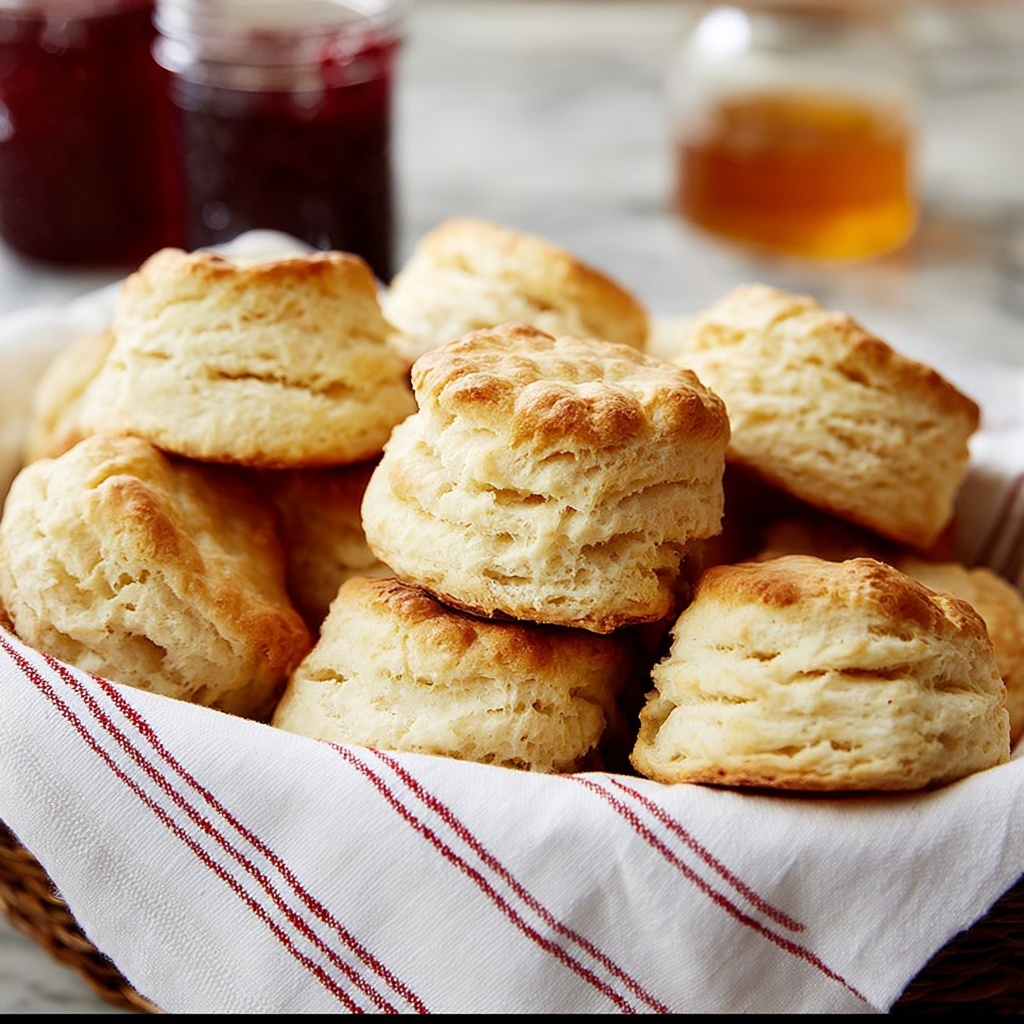
If you love warm, flaky bread with a tender crumb, then this Easy Buttermilk Biscuits Recipe will soon become your go-to for breakfast, brunch, or any meal in need of a little comfort. With just a handful of simple ingredients, you’ll create buttery, flaky biscuits that boast a perfect golden crust and a soft, inviting interior. Whether you’re a seasoned baker or just starting out, these biscuits bring that homemade charm with an effortless technique that’s sure to impress your family and friends alike.
Ingredients You’ll Need
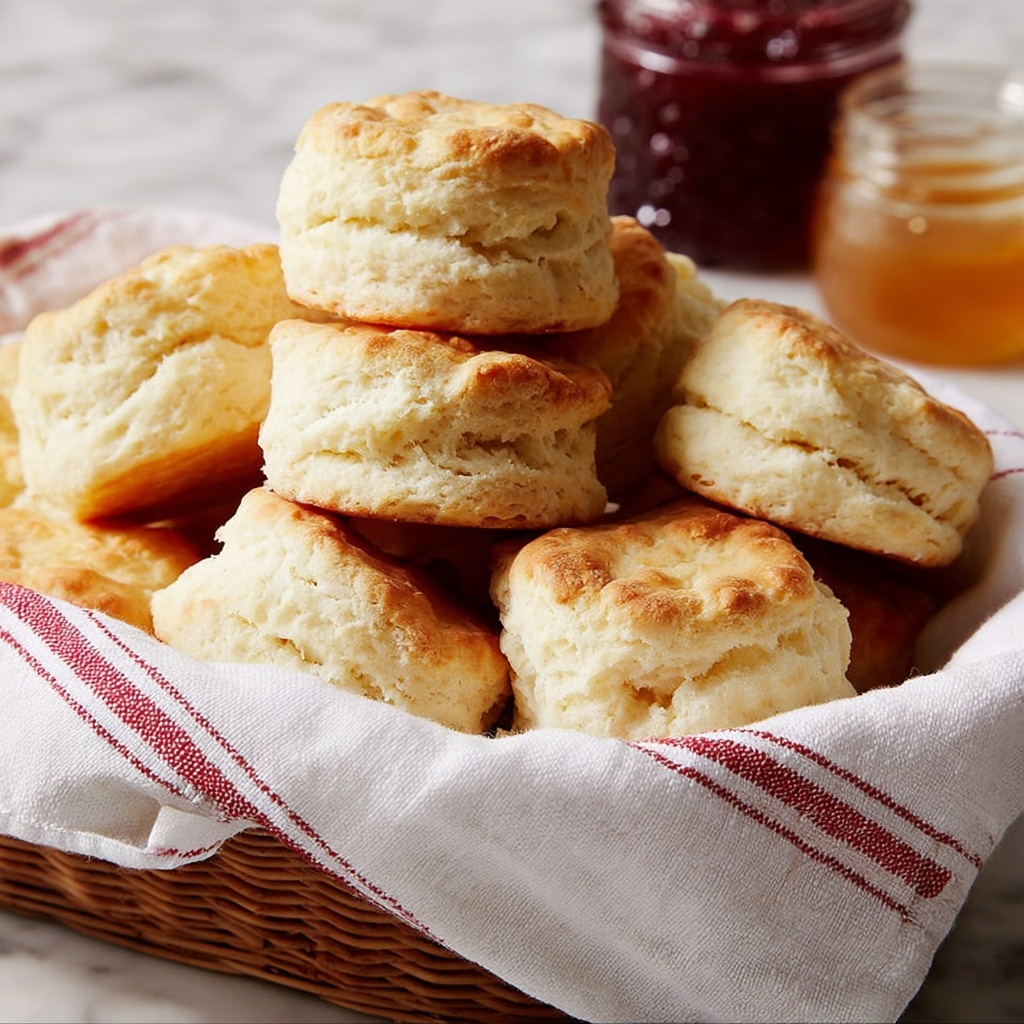
These ingredients are wonderfully simple but play crucial roles in delivering the texture, flavor, and appearance that make the biscuits irresistible. Each one works harmoniously to give you that signature flaky, tender bite.
- 2 cups White Lily Self-Rising Flour: Known for its soft texture, this flour helps create light, fluffy biscuits without extra leavening agents.
- 1/2 cup cold unsalted butter: Cold butter is essential for flaky layers; it creates pockets of steam as it melts in the oven.
- 3/4 cup cultured nonfat buttermilk: Adds a gentle tang and reacts with the flour to tenderize the dough beautifully.
- 2 tablespoons unsalted butter, melted: Used to brush the tops for a golden, glossy finish and extra richness.
How to Make Easy Buttermilk Biscuits Recipe
Step 1: Prepare Your Baking Space
Start by preheating your oven to 450°F and lining a baking sheet with a silicone baking mat or parchment paper. Having this ready ensures a smooth transition when your biscuits are shaped and ready to bake, helping them cook evenly and preventing sticking.
Step 2: Measure and Mix the Flour and Butter
Measure the self-rising flour carefully by spooning it into your measuring cup and leveling it off to avoid packed flour, which can toughen your biscuits. Next, cut cold butter into the flour using a pastry blender or grate frozen butter and mix it in. These small pieces of cold butter are crucial because they create those delightful flaky layers when baked.
Step 3: Add the Buttermilk
Pour the cultured buttermilk into the flour-butter mixture and stir just until combined. Your dough should look like thick mashed potatoes—moist but not sticky. If it feels too wet or dry, tweak with a bit more flour or buttermilk until it holds together well. Avoid overmixing here to keep the biscuits tender.
Step 4: Knead and Fold for Flakiness
Turn the dough onto a floured surface and give it a gentle knead if needed. Then, flatten into a rectangle and fold it in thirds like a letter. This tri-folding technique builds layers within the dough, unlocking that classic biscuit flakiness. Repeat this process about three times, dusting with flour to prevent sticking while you work.
Step 5: Cut and Arrange the Biscuits
Flatten the dough to about 3/4 to 1 inch thick and use a floured biscuit cutter (2 to 2 1/2 inches) to cut out rounds with a firm, straight push—avoid twisting, as that can seal the edges and reduce rise. Place the biscuits on your prepared pan either close together for tender sides or spaced apart if you love a bit of crunch. Don’t forget to re-roll scraps to maximize your yield.
Step 6: Bake and Finish
Brush the biscuit tops with the melted butter for that inviting golden glow and pop them into the oven. Bake for about 15 minutes until they’re beautifully golden and puffed up. That buttery aroma alone is enough to make your kitchen feel like home.
How to Serve Easy Buttermilk Biscuits Recipe
Garnishes
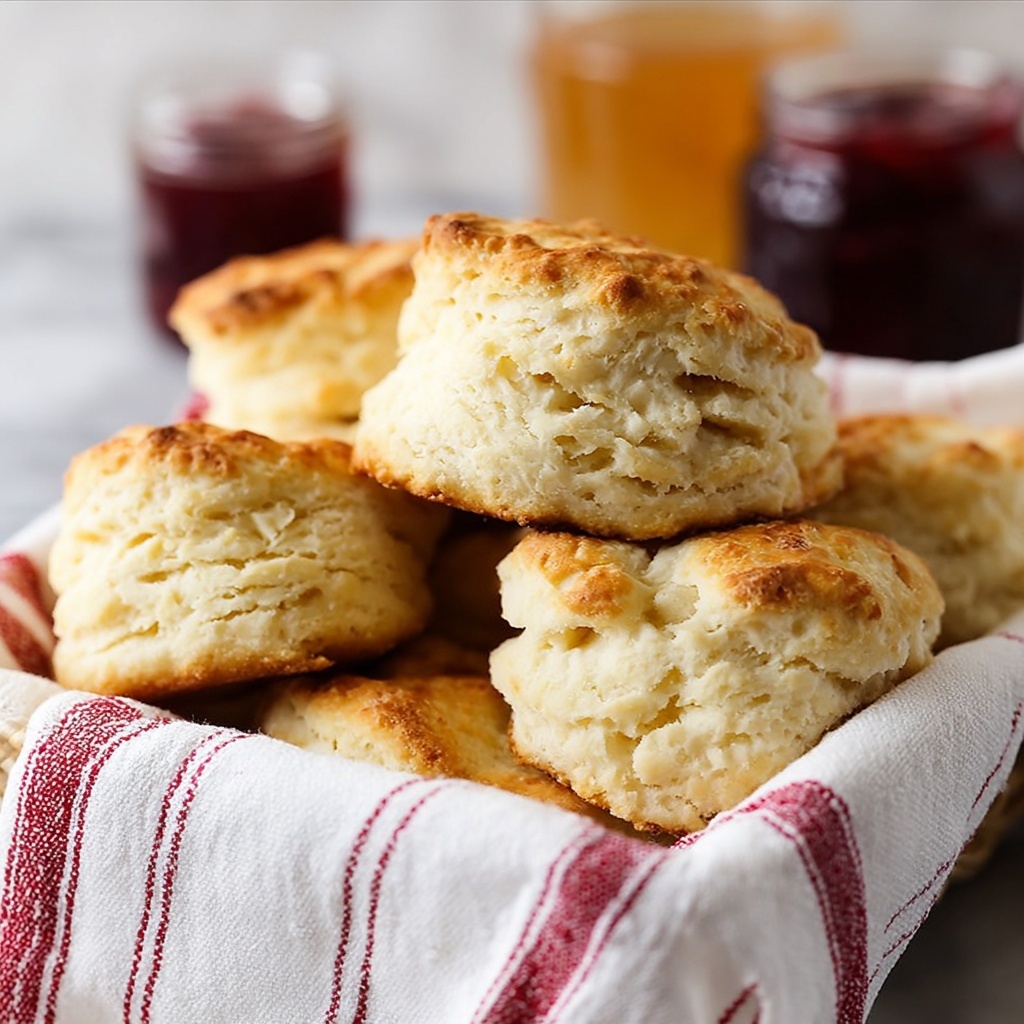
Simple toppings like a dab of honey, a pat of fresh butter, or a drizzle of homemade jam highlight the biscuit’s tender crumb. For savory lovers, a sprinkle of flaky sea salt or fresh herbs like chives or thyme can add a wonderful twist.
Side Dishes
These biscuits are the perfect companion for classic dishes like scrambled eggs and bacon, hearty stews, or a steaming bowl of creamy gravy. Their flaky texture soaks up sauces beautifully and offers a comforting contrast to creamy or spicy sides.
Creative Ways to Present
Try slicing them open to build mini breakfast sandwiches filled with eggs, cheese, and sausage, or serve as the base for a biscuit trifle layered with fresh berries and whipped cream for a fun dessert option. The possibilities are endless, making this Easy Buttermilk Biscuits Recipe a versatile star.
Make Ahead and Storage
Storing Leftovers
If you have any biscuits left (which is rare!), store them in an airtight container at room temperature for up to two days to keep their softness. For best results, reheat gently before serving.
Freezing
You can freeze unbaked biscuits by preparing them on the baking sheet, then wrapping tightly once chilled. Freeze for up to three months, baking straight from frozen with a couple of extra minutes in the oven. Alternatively, freeze baked biscuits wrapped in foil—they reheat beautifully too.
Reheating
Reheat biscuits in a preheated oven at 350°F for 10 minutes to restore their fresh-from-the-oven texture. Avoid microwaving if possible, as it can make them tough or chewy. A little melted butter on top after warming amps up their deliciousness.
FAQs
Can I use regular flour instead of White Lily Self-Rising Flour?
While White Lily Self-Rising Flour is ideal thanks to its low protein content and built-in leavening, you can substitute all-purpose flour combined with baking powder and salt to mimic similar results. However, the texture might be slightly less tender.
Why is cold butter important in this biscuits recipe?
Cold butter creates steam pockets during baking, which causes the biscuits to puff up and develop their iconic flaky layers. Using room temperature butter can make the dough too soft and dense.
How can I make my biscuits fluffier?
Be careful not to overwork the dough—gentle mixing and minimal kneading help keep biscuits light. Also, folding the dough multiple times enhances layering, contributing to a fluffier crumb.
Is buttermilk necessary for this recipe?
Buttermilk provides acidity that tenderizes the dough and adds flavor depth. If you don’t have buttermilk, you can substitute with milk plus a tablespoon of vinegar or lemon juice left to sit for 5 minutes.
Can I make these biscuits vegan?
This recipe relies on dairy butter and buttermilk for texture and flavor, but you can experiment by substituting vegan margarine and plant-based cultured milk alternatives. Keep in mind the texture may vary from the classic result.
Final Thoughts
If you’ve ever dreamed of baking biscuits that taste like they came from your favorite Southern bakery but without the fuss, this Easy Buttermilk Biscuits Recipe is your new best friend. It’s straightforward, rewarding, and wonderfully delicious. Give it a try—you might just find that these biscuits become the warm, buttery hug your kitchen calls for day after day.
“`
Print
Easy Buttermilk Biscuits Recipe
- Prep Time: 15 minutes
- Cook Time: 15 minutes
- Total Time: 30 minutes
- Yield: 10 to 12 biscuits
- Category: Bread
- Method: Baking
- Cuisine: Southern American
Description
These Easy Buttermilk Biscuits are flaky, tender, and perfect for breakfast or as a side for any meal. Made with self-rising flour, cold butter, and cultured buttermilk, they come together quickly and bake to a beautiful golden brown with buttery tops. The dough is folded several times to create those desirable flaky layers, delivering a classic biscuit texture that’s both comforting and delicious.
Ingredients
Dry Ingredients
- 2 cups White Lily Self-Rising Flour
Wet Ingredients
- 3/4 cup cultured nonfat buttermilk
- 1/2 cup cold unsalted butter
- 2 tablespoons unsalted butter, melted (for brushing)
Instructions
- Preheat oven and prepare pan: Preheat your oven to 450°F and line a baking pan with a silicone baking mat or parchment paper to prevent sticking.
- Measure flour: Spoon the self-rising flour into a dry measuring cup and level it off with a knife to ensure accuracy, then place it into a large mixing bowl.
- Cut in cold butter: Using a pastry blender, cut the cold unsalted butter into the flour until the mixture resembles small pea-sized pieces. Alternatively, freeze the butter and grate it, then stir it into the flour.
- Add buttermilk and mix: Pour in the cultured buttermilk and stir until just combined. The dough should be thick like mashed potatoes but not sticky; adjust with a little extra flour or buttermilk as needed.
- Knead and fold dough: Turn the dough onto a floured surface and knead gently if it won’t hold together. Flatten into a rectangle, then fold it into thirds (tri-fold) to create flaky layers. Repeat dusting and folding 3 times total.
- Cut biscuits: Flatten the dough into a 3/4 to 1-inch thick rectangle. Use a floured, sharp biscuit cutter (2 to 2 1/2 inches) to cut biscuits with a clean up-and-down motion without twisting. Place biscuits close together on the prepared pan for softer edges or spaced apart for crisper edges.
- Re-roll dough: Gather and flatten any remaining dough to cut additional biscuits, aiming for a total of 10 to 12 biscuits.
- Brush and bake: Brush the biscuit tops with melted unsalted butter for a golden finish. Bake in the preheated oven for about 15 minutes, or until golden brown on top.
Notes
- Ensure the butter is very cold to help create flaky layers.
- Do not twist the biscuit cutter when cutting to ensure even rising.
- For softer biscuit edges, place biscuits touching each other on the baking sheet.
- Use self-rising flour to skip adding baking powder and salt.
- Refrigerate dough if it gets too warm before baking.
- Serve warm with honey, jam, or gravy.