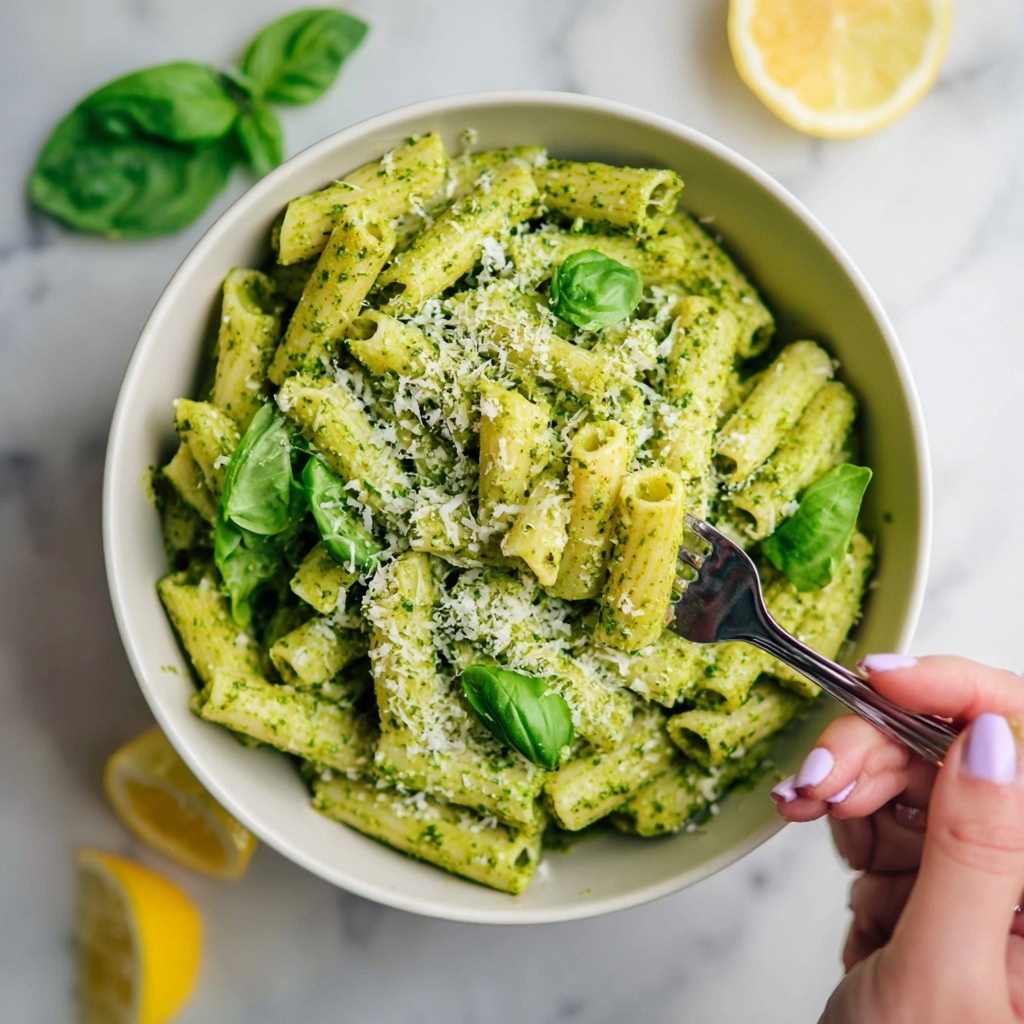
If you are looking for a vibrant, luscious meal that comes together in no time and bursts with fresh, aromatic flavors, this Pesto Pasta Recipe is your new best friend in the kitchen. Combining the herbaceous punch of basil pesto with perfectly cooked penne pasta, this dish feels both comforting and bright. Whether you use a store-bought pesto or whip up your own homemade version, the creamy sauce clings beautifully to the pasta, creating a harmonious dance of texture and taste that makes every bite incredibly satisfying.
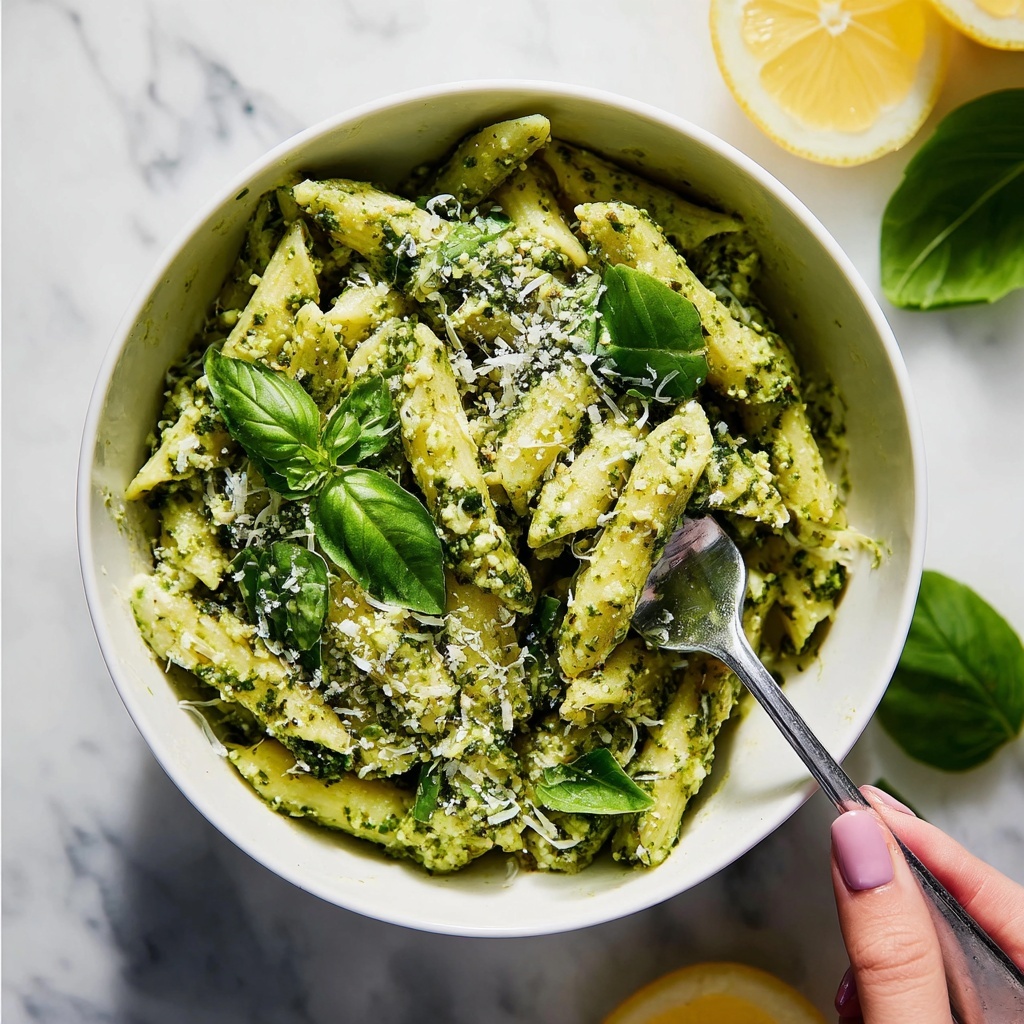
Ingredients You’ll Need
Getting the ingredients right is key to bringing out the full potential of this Pesto Pasta Recipe. Each item on the list plays a crucial role: the basil pesto offers that signature green, fresh herby depth; the penne pasta provides the perfect shape to catch the sauce; and the simple seasoning and garnishes elevate the dish to something truly special.
- 1 cup basil pesto: Either store-bought or homemade, this sauce is the heart of the dish, packed with fresh basil, garlic, and nuts.
- 16 ounces penne pasta: The tube shape holds onto the pesto sauce wonderfully, creating a flavorful bite every time.
- Salt and pepper: Essential for seasoning the pasta water and the final dish, bringing a balanced flavor.
- Lemons (optional but recommended): A little squeeze of fresh lemon juice adds a delightful brightness to cut through the richness.
- Parmesan cheese (optional but recommended): Finely grated on top, it adds a savory, nutty finish that complements the pesto beautifully.
How to Make Pesto Pasta Recipe
Step 1: Cook the Pasta
Start by bringing a large pot of water to a rolling boil and adding a tablespoon of salt—it flavors the pasta from within. Cook the penne according to the package instructions until al dente, so it keeps a pleasant firmness. Before draining, be sure to reserve about a cup of the starchy pasta cooking water; this liquid is a secret weapon for achieving that silky, clinging pesto sauce.
Step 2: Prepare the Pesto
If you’re making your own pesto, this is the perfect time to blend fresh basil leaves, garlic, nuts, Parmesan, olive oil, and seasoning to your taste. If you’re using store-bought, measure out a full cup and place it in a large ceramic or glass mixing bowl—avoid putting it back into the hot pasta pot to prevent the vibrant green from dulling.
Step 3: Combine Pasta and Pesto
Drain your pasta but don’t rinse it; the residual starch is what helps the pesto adhere so deliciously. Transfer the hot pasta straight onto the bowl with the pesto. Drizzle about half a cup of that reserved pasta water over everything and toss gently but thoroughly with tongs. This step allows the sauce to loosen up and coat each piece perfectly. Add more pasta water if you want it creamier and more cohesive.
Step 4: Season and Serve
Now is the time to taste and adjust seasoning with salt and pepper. Consider grating fresh Parmesan over the top for an extra layer of flavor. A generous squeeze of lemon juice can brighten it all up and balance the richness. Serve immediately for the best texture and taste experience.
How to Serve Pesto Pasta Recipe
Garnishes
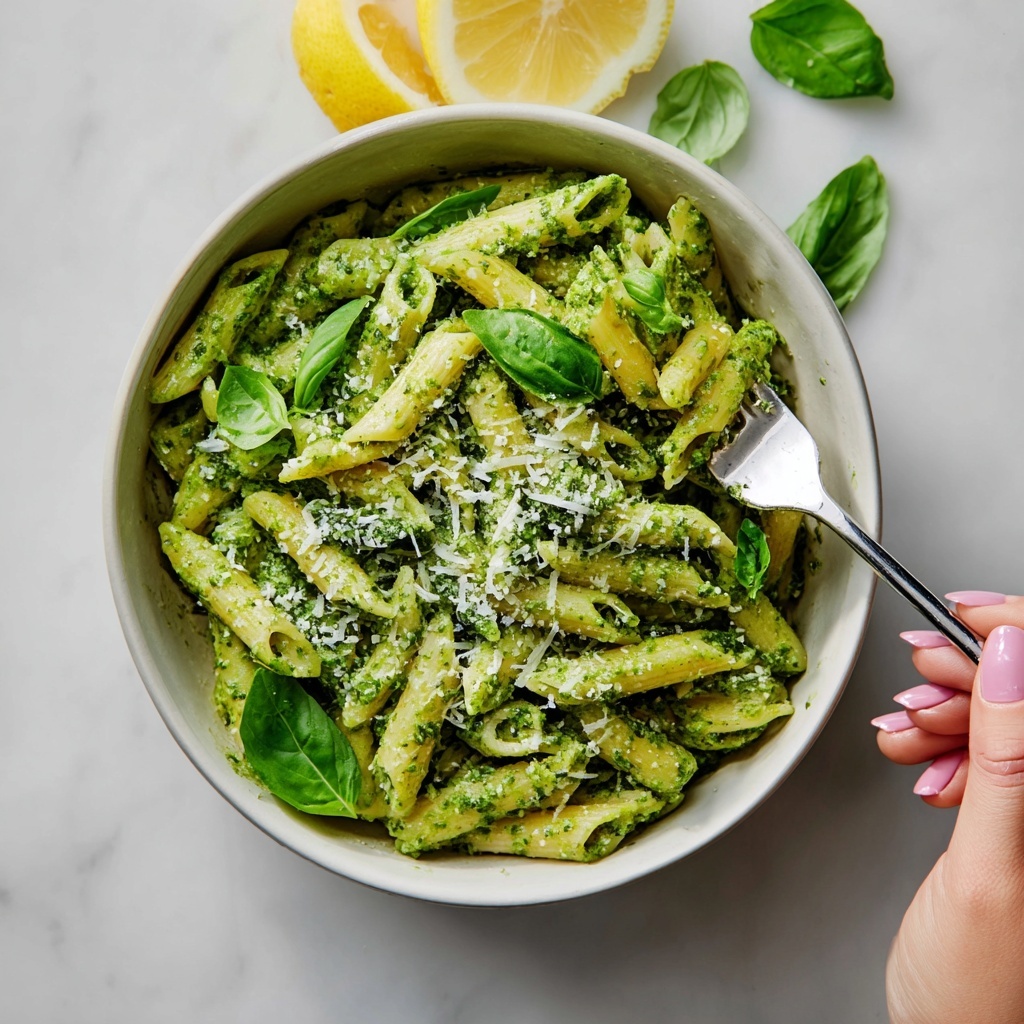
The simplest additions can turn this Pesto Pasta Recipe from everyday dinner to a celebration. Freshly grated Parmesan cheese is a classic—use a fine grater so it melts just enough into the heat of the dish. A few basil leaves or a gentle drizzle of high-quality olive oil also heighten the flavors and add a beautiful glossy finish. For a pop of color and brightness, a little lemon zest is stunning.
Side Dishes
This pesto pasta pairs wonderfully with crisp, fresh salads like a baby arugula salad dressed with lemon vinaigrette or a Mediterranean-inspired salad with cucumbers and cherry tomatoes. Lightly roasted vegetables such as asparagus or cherry tomatoes add a nice contrast too. If you want to add some protein, grilled chicken or shrimp can complement the herbal notes perfectly.
Creative Ways to Present
Serve your Pesto Pasta Recipe in rustic ceramic bowls to highlight those fresh greens and golden Parmesan shavings. For a fun twist, turn the pasta into a colorful layered pasta salad chilled for outdoor picnics. Small bowls of extra pesto on the side also allow guests to add more if they’re craving it. The vibrant green color makes for a stunning entrée that’s as pleasing to the eyes as it is to the palate.
Make Ahead and Storage
Storing Leftovers
Leftover pesto pasta can be stored in an airtight container in the refrigerator for up to 3 days. Because pesto is fresh and herbaceous, try to consume leftovers quickly to enjoy the best flavor and color. The pasta may absorb the sauce over time, so adding a splash of olive oil or reserved pasta water before reheating can help refresh the texture.
Freezing
Freezing pesto pasta is possible but not optimal, as the texture of the basil pesto and the fresh herbs can dull, and pasta tends to soften more upon thawing. If you must freeze, store the pesto and pasta separately: freeze the pesto in ice cube trays and the pasta in airtight containers. Thaw completely before combining.
Reheating
Reheat pesto pasta gently on the stovetop or in the microwave. Add a little bit of reserved pasta water or olive oil to loosen the sauce and prevent it from drying out. Stir frequently and avoid overheating, as high heat can cause the pesto to lose its fresh, vibrant flavor.
FAQs
Can I use other types of pasta for this Pesto Pasta Recipe?
Absolutely! While penne is fantastic for holding onto the sauce, you can also use fusilli, farfalle, or spaghetti. Just choose pastas with enough grooves or twists to trap that delicious pesto.
Is homemade pesto better than store-bought?
Homemade pesto often tastes fresher and more vibrant since you control the ingredients and freshness of basil. However, high-quality store-bought pesto can be a wonderful shortcut when you’re short on time and still delicious in this recipe.
How can I make this recipe vegan?
Simply substitute the Parmesan cheese with a vegan Parmesan alternative or nutritional yeast. Make sure your pesto doesn’t contain cheese, which you can control when making it at home or by checking ingredients in store-bought versions.
Can I add protein to this dish?
Yes! Grilled chicken, shrimp, or even crispy tofu work beautifully. Adding a protein makes this pesto pasta a heartier meal, perfect for lunch or dinner.
What’s the best way to keep pesto fresh?
Store pesto in an airtight container while covering the surface with a thin layer of olive oil to prevent oxidation. Refrigerate and use within a week or freeze for longer storage.
Final Thoughts
There is just something incredibly satisfying about a bowl of fresh, flavorful pesto pasta that feels both effortless and elegant. This Pesto Pasta Recipe brings together simple ingredients and easy steps to create a dish that shines whether you’re cooking a quick weeknight dinner or impressing friends. Give it a try—you might find it becoming a beloved staple in your recipe rotation, just as it has in mine!
Print
Pesto Pasta Recipe
- Prep Time: 5 minutes
- Cook Time: 15 minutes
- Total Time: 25 minutes
- Yield: 4 servings
- Category: Stovetop
- Method: Stovetop
- Cuisine: Italian
Description
This classic Pesto Pasta recipe is a quick and flavorful dish perfect for a satisfying weeknight meal. Made with penne pasta tossed in fresh or store-bought basil pesto, it’s creamy, aromatic, and can be enhanced with freshly grated Parmesan cheese and a squeeze of lemon for brightness. Ready in just 25 minutes, this easy pasta recipe is a crowd-pleaser that combines simple ingredients for maximum taste.
Ingredients
Pasta
- 16 ounces penne pasta
- 1 tablespoon salt (for pasta water)
- About 1 cup reserved pasta cooking water
Pesto
- 1 cup basil pesto (homemade or packaged)
Optional Toppings
- Parmesan cheese, freshly grated (to taste)
- Lemon wedges or lemon juice (for serving)
- Salt and pepper (to taste)
Instructions
- Cook Pasta: Bring a large pot of water to a boil. Add 1 tablespoon of salt to the boiling water. Cook the penne pasta according to the package instructions until al dente, usually around 10-12 minutes. Before draining, scoop out and reserve about 1 cup of the pasta cooking water. Drain the pasta and shake off excess water—do not rinse it under cold water as this will remove the starch needed to bind the sauce.
- Prepare Pesto: If using homemade pesto, prepare it while the pasta cooks. Measure out 1 full cup of pesto and place it in a large ceramic or glass mixing bowl—avoid using a hot pot to prevent the pesto from browning. If using store-bought pesto, simply measure and place it in the bowl.
- Toss Pasta with Pesto: Immediately after draining, add the hot pasta to the bowl with the pesto. Drizzle in about 1/2 cup of the reserved pasta cooking water. Using tongs, carefully toss the pasta and pesto together, ensuring every piece is evenly coated. Add more reserved pasta water gradually as needed to achieve a smooth, creamy, and cohesive sauce that clings nicely to the pasta.
- Season and Serve: Season the pesto pasta with salt and freshly ground black pepper to taste. Serve immediately, topped generously with freshly grated Parmesan cheese. For extra brightness and flavor, squeeze fresh lemon juice over the pasta or add lemon wedges on the side. Enjoy this vibrant and comforting meal!
Notes
- Reserving the pasta cooking water is key—its starch helps the pesto adhere to the pasta and creates a creamy sauce.
- If using homemade pesto, use fresh basil, pine nuts, Parmesan, garlic, olive oil, and salt for best flavor.
- Do not rinse pasta after cooking; the residual heat and starch are essential for emulsifying the pesto sauce.
- Lemon enhances the freshness and balances the richness of the pesto—use according to preference.
- Parmesan can be replaced with nutritional yeast for a vegetarian-friendly version.