
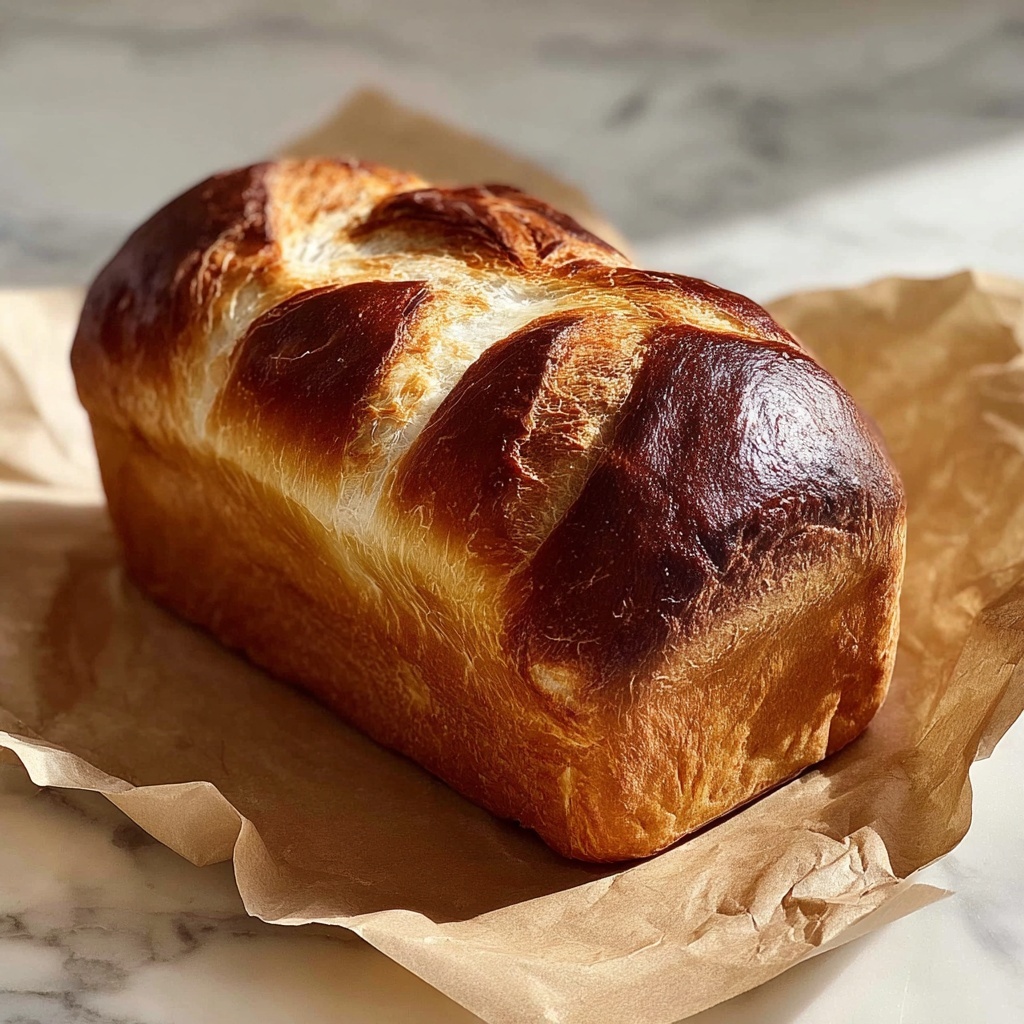
If you’ve ever dreamed of biting into a warm, soft, and perfectly sweet loaf fresh from the oven, then this Sourdough Cinnamon Sugar Bread Recipe is about to become your new favorite indulgence. Combining the tangy depth of sourdough with the comforting swirl of cinnamon and sugar, this bread is a delightful way to bring homemade magic to your breakfast table, snack time, or even dessert. It’s a little piece of crusty heaven with a gooey, cinnamon-sugar heart that makes each bite utterly irresistible.
Ingredients You’ll Need
Ingredients You’ll Need
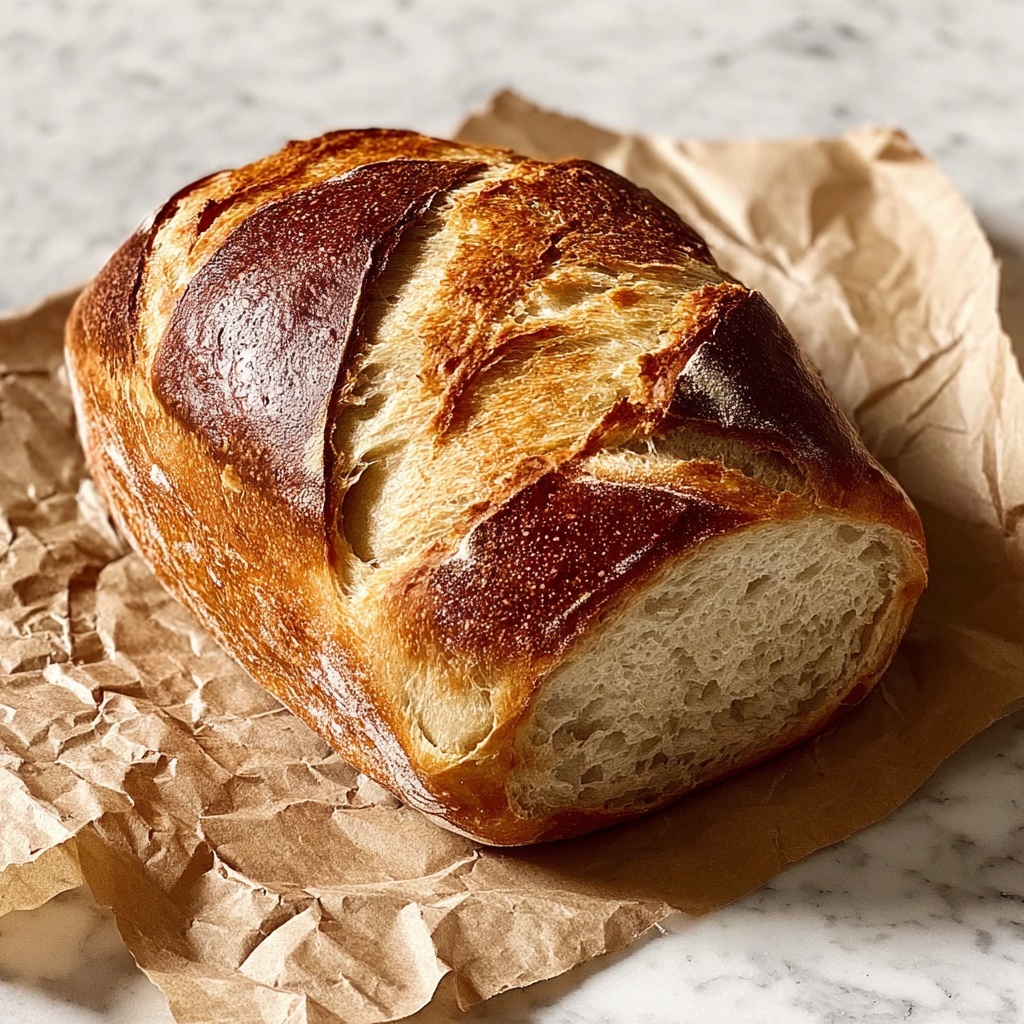
Every ingredient in this recipe plays a vital role in crafting the ideal balance of crust, crumb, and flavor. From the tangy sourdough starter that develops complexity, to the cinnamon and brown sugar that create that signature swirl, this list is simple yet essential for a perfect loaf.
- 220 grams water: Hydrates the flour to form the dough, helping ferment and develop gluten.
- 175 grams bread flour: Provides the protein needed for structure and chew.
- 175 grams all-purpose flour: Adds softness to the crumb, balancing the bread flour.
- 110 grams active sourdough starter: The star of the show, giving the bread its signature tang and lift.
- 20 grams sugar: Feeds the yeast and adds a touch of sweetness.
- 10 grams neutral oil: Keeps the bread moist and tender.
- 7 grams salt: Enhances flavor and controls fermentation.
- 12 grams ground cinnamon (filling): Creates that warm, inviting spice swirl inside the bread.
- 65 grams light brown sugar (filling): Adds sweetness and moisture to the filling.
- Splash of heavy cream (filling): Helps the cinnamon sugar stick and caramelize beautifully.
How to Make Sourdough Cinnamon Sugar Bread Recipe
Step 1: Hydrate and Rest Your Dough
Start by mixing your water, flours, active sourdough starter, sugar, oil, and salt in a bowl until you get a shaggy but well-hydrated dough. This initial mix doesn’t have to be perfect—just combine until everything’s incorporated. Cover it and let it rest for 30 minutes, allowing the flour to fully absorb the water, which improves dough texture and flavor.
Step 2: Stretch and Fold for Development
Over the next two hours, perform a series of stretch and folds every 30 minutes. This technique strengthens the dough’s gluten network without heavy kneading, helping it become smoother, more elastic, and better able to trap those precious bubbles from fermentation.
Step 3: Bulk Fermentation and Chilling
Let the dough ferment at room temperature for about 6 hours until it appears puffy and risen. Then, refrigerate it for at least 2 hours to develop flavor complexity and make shaping easier. This slow fermentation is part of what makes the sourdough flavor shine through beautifully in this bread.
Step 4: Shape and Fill Your Bread
Mix your cinnamon and brown sugar filling in a small bowl. Lightly flour your work surface and shape the chilled dough into a rectangle. Brush it with a splash of heavy cream—this little trick helps the cinnamon sugar mixture adhere and caramelize during baking. Sprinkle the filling evenly, then fold and roll the dough into a log shape.
Step 5: Final Proof in a Loaf Pan
Place the shaped loaf into your loaf pan and cover it to proof at room temperature for 2 to 4 hours. During this time, the dough will rise again, filling out the pan in preparation for baking. The timing depends on your room temperature, so look for a soft but slightly springy feel on top.
Step 6: Bake to Golden Perfection
Preheat your oven to 400°F (200°C). Bake your loaf for around 50 minutes, or until it’s a deep golden brown and sounds hollow when tapped. The aroma of cinnamon and caramelized sugar wafting through the kitchen will tell you it’s ready to enjoy.
How to Serve Sourdough Cinnamon Sugar Bread Recipe
Garnishes
While the bread shines on its own, a light dusting of powdered sugar or a thin glaze of cream cheese icing can elevate it even further. For an extra indulgent touch, sprinkle chopped nuts like pecans or walnuts on top before baking to add crunch and contrast.
Side Dishes
This sweet loaf pairs wonderfully with creamy spreads like butter or mascarpone. Serve it alongside a cup of hot coffee, chai tea, or even a glass of cold milk to balance the sweetness and spice. It also complements fresh fruit such as sliced apples or berries for a fresh burst of flavor.
Creative Ways to Present
Slice the bread thick for an unforgettable cinnamon swirl toast. You can also turn slices into French toast or bread pudding for a comforting brunch treat. Another fun idea is to use it to make grilled sandwiches with cream cheese and jam, allowing the cinnamon sugar to caramelize on the griddle for a perfect sweet-savory combo.
Make Ahead and Storage
Storing Leftovers
Once cooled completely, store your bread in an airtight container or wrapped tightly in plastic wrap to keep it soft. It will stay fresh for 2 to 3 days at room temperature without drying out, making it perfect for quick grab-and-go breakfasts.
Freezing
This bread freezes beautifully. Wrap it securely in plastic wrap and then in aluminum foil to prevent freezer burn. When properly stored, it can last up to 3 months frozen. Defrost it overnight in the fridge or at room temperature the next day before reheating.
Reheating
Refresh your sourdough cinnamon sugar bread by warming slices in a toaster or oven at 350°F (175°C) for 5 to 7 minutes. This reheating revives the crust’s crispness and brings back the gooey sweetness of the cinnamon sugar filling, making each bite feel freshly baked.
FAQs
Can I use all-purpose flour instead of bread flour?
Yes, you can substitute bread flour with all-purpose flour, but the bread might turn out slightly less chewy and hold less structure since bread flour contains more protein. Using a mix of both flours as in the recipe achieves the best balance.
How do I know if my sourdough starter is active enough?
Your starter should be bubbly and double in size within 4 to 6 hours after feeding. A good test is to drop a spoonful in water—if it floats, it’s ready to use and will give your bread a nice lift and flavor.
Can I make the dough the night before?
Absolutely! You can do the bulk fermentation in the fridge overnight, which actually enhances the flavor. Just be sure to bring the dough back to room temperature before shaping and adding the filling.
What if I don’t have heavy cream for the filling?
If you don’t have heavy cream, milk or even melted butter can work as alternatives to help the cinnamon sugar stick and caramelize inside the bread, though cream provides the richest texture.
How do I prevent the bread from burning on top?
If the loaf is browning too quickly, tent it loosely with aluminum foil halfway through baking. This shields the crust while allowing the bread to bake fully inside, giving you a beautiful golden color without over-browning.
Final Thoughts
This Sourdough Cinnamon Sugar Bread Recipe is a wonderful way to invite warmth and joy into your kitchen. Its crisp crust and sweet, fragrant swirls feel like a loving hug in bread form. Whether you’re sharing it with friends or savoring a quiet moment at home, this loaf has a magical way of making everyday feel a little more special. Give it a try—you won’t regret it!
Print
Sourdough Cinnamon Sugar Bread Recipe
- Prep Time: 30 minutes active plus 2 hours stretch-and-fold and 6 hours bulk fermentation
- Cook Time: 50 minutes
- Total Time: 9 hours 20 minutes (includes inactive fermentation times and proofing)
- Yield: 12 servings (1 standard loaf)
- Category: Bread
- Method: Baking
- Cuisine: American
Description
This Sourdough Cinnamon Sugar Bread is a deliciously fragrant and tender loaf combining the tangy depth of sourdough with a sweet, warmly spiced cinnamon-sugar filling. Perfect for breakfast or a sweet snack, it features a soft, fluffy crumb wrapped in a golden, caramelized crust. Made with a combination of bread and all-purpose flours and slowly fermented for rich flavor development, this loaf is baked to a perfect golden brown for a satisfying cinnamon-sugar treat.
Ingredients
Dough
- 220 grams water
- 175 grams bread flour
- 175 grams all-purpose flour
- 110 grams active sourdough starter
- 20 grams sugar
- 10 grams neutral oil
- 7 grams salt
Filling
- 12 grams ground cinnamon
- 65 grams light brown sugar
- Splash of heavy cream (approximately 1-2 tablespoons)
Instructions
- Mix Dough: In a mixing bowl, combine water, bread flour, all-purpose flour, active sourdough starter, sugar, neutral oil, and salt until well-hydrated and the dough forms a shaggy mass. Cover with a cloth or plastic wrap and let it rest for 30 minutes to allow the flour to absorb the water.
- Stretch and Fold: Over the next 2 hours, perform stretch and folds every 30 minutes. To do this, wet your hand, grab one edge of the dough, stretch it upward gently, then fold it over the rest. Rotate the bowl and repeat 3-4 times per session, which helps develop gluten and create structure. The dough will become smoother and more elastic.
- Bulk Fermentation: After the stretch and folds, allow the dough to bulk ferment at room temperature for about 6 hours until it becomes noticeably puffier and aerated. Then place the dough in the refrigerator for at least 2 hours to slow fermentation and improve flavor and crumb texture.
- Prepare Filling & Shape: In a small bowl, mix the ground cinnamon and light brown sugar for the filling. Remove the chilled dough from the fridge and gently roll it out into a rectangle on a lightly floured surface. Brush the surface with a splash of heavy cream to help the filling stick, then evenly sprinkle the cinnamon sugar mixture over the dough. Fold the dough over and roll it into a tight log, sealing the edges to encase the filling.
- Final Proof: Place the shaped log seam side down into a greased loaf pan. Cover and let it proof at room temperature for 2 to 4 hours until it looks puffed and nearly doubled in size.
- Bake: Preheat the oven to 400°F (200°C). Place the loaf in the oven and bake for about 50 minutes, or until the crust is a deep golden brown and sounds hollow when tapped. Remove from oven and cool on a wire rack before slicing.
Notes
- Using both bread flour and all-purpose flour balances gluten development and tenderness.
- Stretch and folds help strengthen the dough without kneading.
- Chilling the dough improves flavor and makes shaping easier.
- Brush the dough with cream rather than butter to avoid interfering with gluten development.
- Make sure your sourdough starter is active for best rise.
- Let the bread cool fully to set the crumb before slicing.