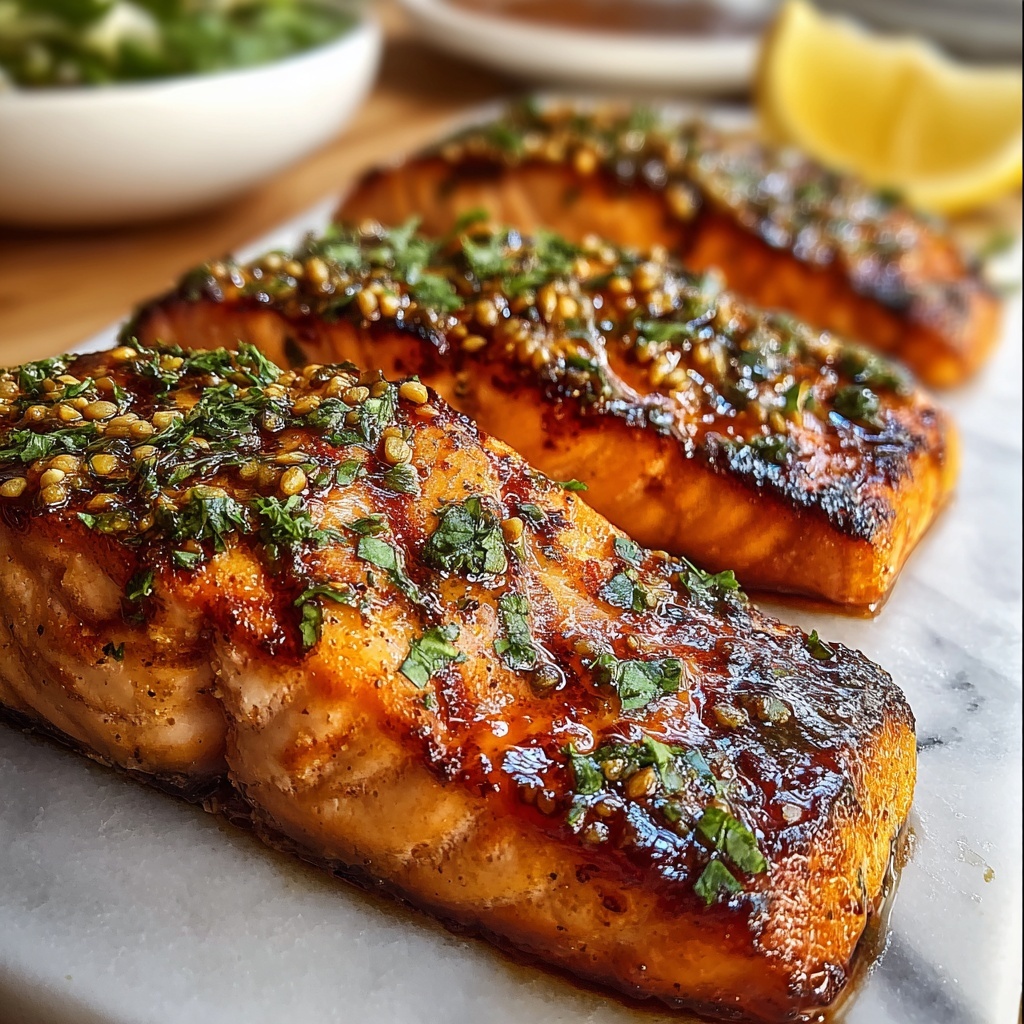
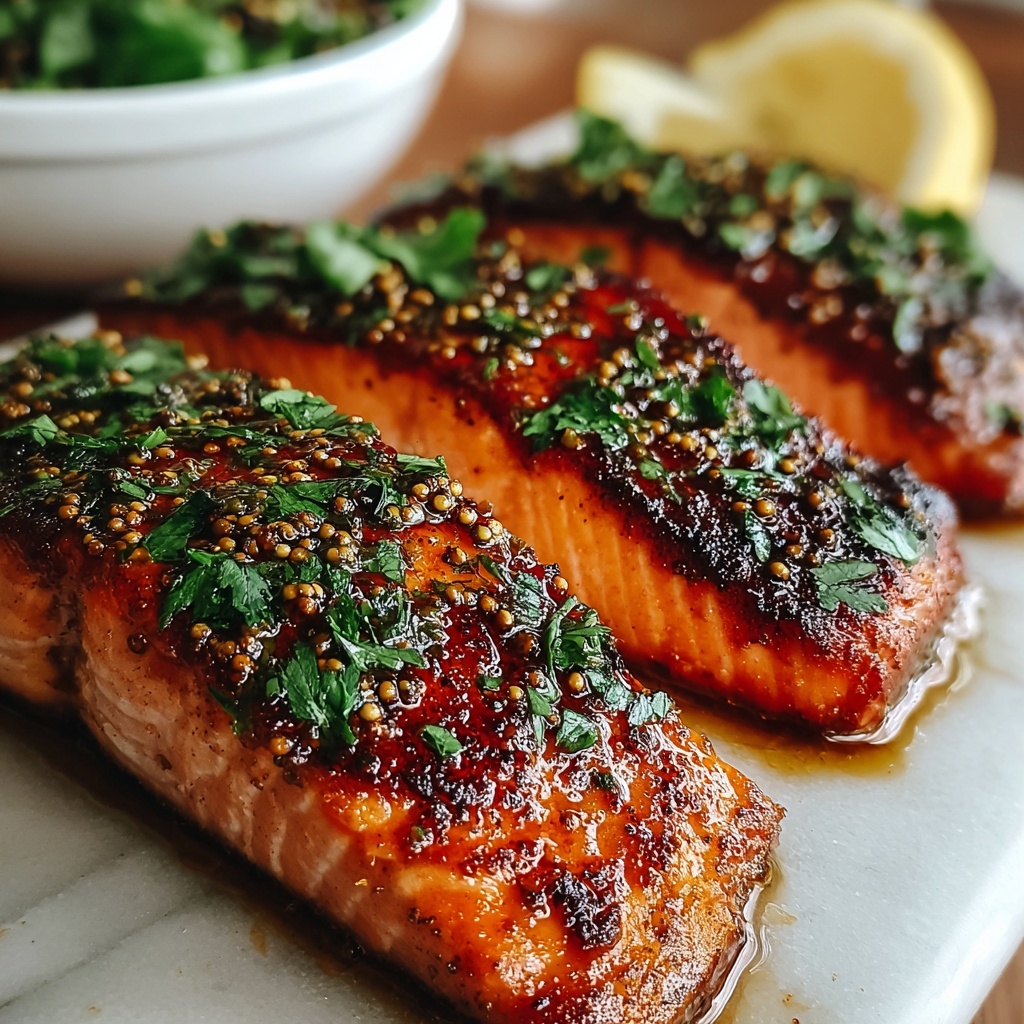
If you’re craving a dish that combines sweet, savory, and smoky flavors in one irresistible package, the Texas Roadhouse Salmon Recipe is your new best friend in the kitchen. This recipe brings together tender, flaky salmon with a luscious brown sugar glaze that’s rich with honey and just enough spice to make every bite pop with excitement. Perfectly cooked in under 30 minutes, it’s a go-to meal that feels special enough for guests but simple enough for a cozy weeknight dinner. Once you try this Texas Roadhouse Salmon Recipe, you’ll understand why it’s a favorite for so many seafood lovers!
Ingredients You’ll Need
Getting all the ingredients together for this recipe is wonderfully straightforward, yet every item on this list plays an essential role in building the signature flavor and texture that make this dish so memorable.
- 4 salmon fillets (6 oz each): Make sure they’re fresh or properly thawed for the best flaky texture.
- 1/4 cup brown sugar: Adds a deep, molasses sweetness that caramelizes during baking.
- 2 tablespoons soy sauce: Brings a savory umami kick that balances the sweetness perfectly.
- 2 tablespoons melted butter: Ensures a rich mouthfeel and helps the glaze set beautifully.
- 1 tablespoon honey: Layers in natural sweetness and a glossy finish.
- 1 teaspoon garlic powder: Offers subtle aromatic warmth without overpowering the fish.
- 1/2 teaspoon black pepper: Adds mild heat and enhances all the other flavors.
- 1/4 teaspoon paprika: Infuses a hint of smokiness and vibrant color.
- Fresh parsley (for garnish): Provides a burst of fresh green and a light herbaceous note.
How to Make Texas Roadhouse Salmon Recipe
Step 1: Preheat and Prepare
First, set your oven to 400°F (200°C) and line a baking sheet with parchment paper. This keeps cleanup easy and prevents the salmon from sticking while cooking evenly.
Step 2: Whisk Together the Glaze
In a small bowl, combine the brown sugar, soy sauce, melted butter, honey, garlic powder, black pepper, and paprika. Whisk it until smooth and glossy—this glaze will turn into the flavor powerhouse for your salmon.
Step 3: Prep the Salmon
Pat your salmon fillets dry with paper towels—this step is key so the glaze adheres well. Lay the fillets out on the prepared baking sheet and generously brush half of the glaze over each piece, making sure every inch is coated.
Step 4: Bake and Glaze Again
Bake the salmon for 8 minutes initially. Then take it out and brush the remaining glaze over the fillets for a second coat of that delicious sauce.
Step 5: Finish Baking
Return the salmon to the oven and bake for an additional 8 to 10 minutes or until the fish flakes easily with a fork and reaches an internal temperature of 145°F. This final step locks in juicy tenderness with a glossy, caramelized finish.
Step 6: Rest and Garnish
Let the salmon rest for 2 minutes once out of the oven to allow the juices to redistribute. Just before serving, sprinkle with chopped fresh parsley for a beautiful pop of green and fresh flavor.
How to Serve Texas Roadhouse Salmon Recipe
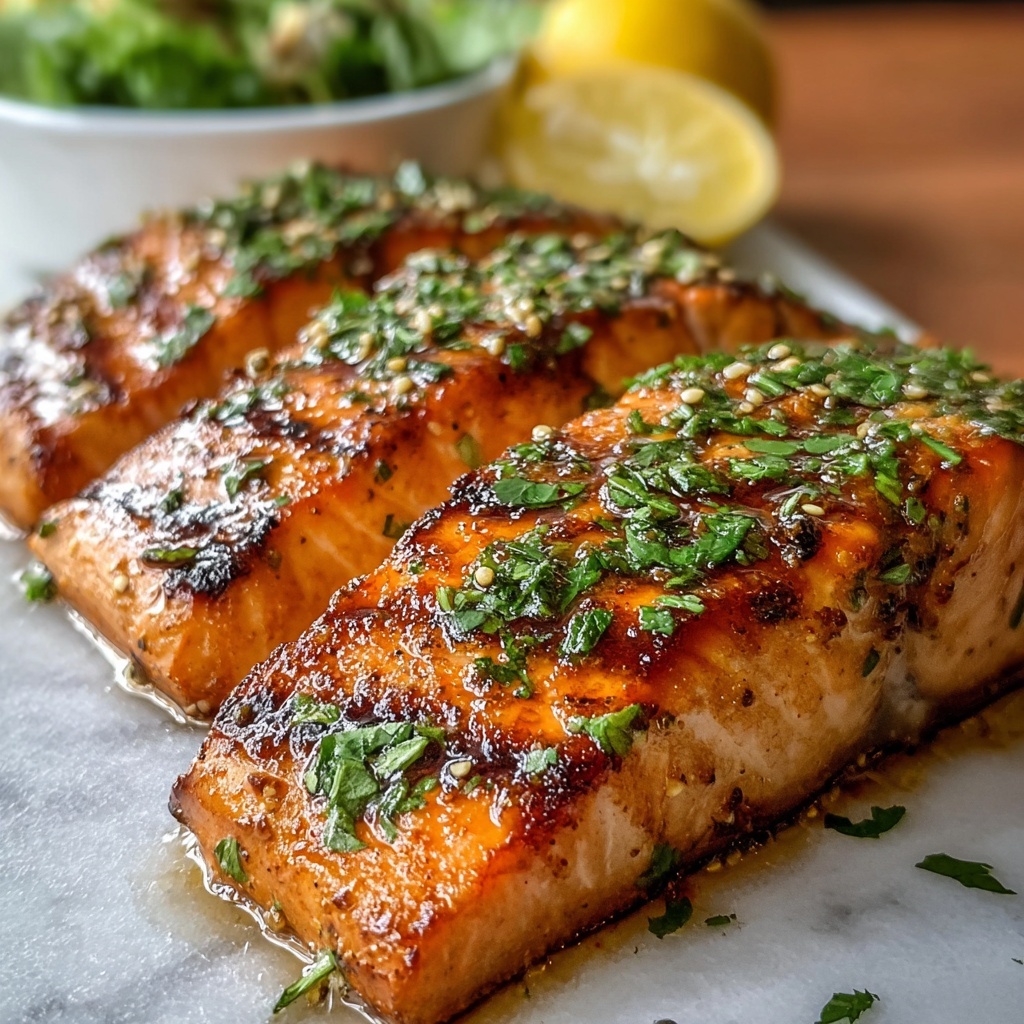
Garnishes
Fresh parsley is the classic choice to brighten this dish, but feel free to add a lemon wedge for a zesty splash or some thinly sliced green onions to add fresh crunch and color contrast. Garnishes make your plate pop and elevate the flavors.
Side Dishes
The Texas Roadhouse Salmon Recipe pairs wonderfully with simple yet satisfying sides. Think buttery mashed potatoes, roasted asparagus, or a light quinoa salad. These options complement the rich salmon without overwhelming your palate.
Creative Ways to Present
For a fun twist, serve the salmon over a bed of wild rice mixed with toasted nuts and dried cranberries. Or roll it up in soft tortillas with avocado slices, along with a drizzle of lime crema for a salmon taco vibe. Presentation can turn this delicious recipe into a stunning centerpiece on any table.
Make Ahead and Storage
Storing Leftovers
Allow the cooked salmon to cool completely, then store it in an airtight container in the refrigerator. It’s best enjoyed within 2 days to maintain the fresh flavors and flaky texture that make the Texas Roadhouse Salmon Recipe so delightful.
Freezing
If you want to freeze leftovers, wrap the salmon fillets tightly in plastic wrap and then place them in a freezer-safe container or bag. They can be kept frozen for up to 1 month without losing too much flavor or moisture.
Reheating
To gently reheat, place the frozen or refrigerated salmon in a warm oven (around 275°F) covered loosely with foil to keep it moist. Avoid the microwave, if possible, since it can make the salmon dry. This will help retain the flavors and texture from the original Texas Roadhouse Salmon Recipe.
FAQs
Can I use fresh salmon instead of frozen?
Absolutely! Fresh salmon fillets will work beautifully and might even have a slight edge in flavor. Just be sure to pat them dry before applying the glaze for the best caramelization.
Is it possible to grill this salmon instead of baking?
Yes, you can grill the salmon over medium heat after applying the glaze, but watch carefully to prevent burning the sugary coating. Grill for about 4-5 minutes per side until cooked through and flaky.
What can I substitute for soy sauce if I’m allergic?
Consider using coconut aminos as a soy-free alternative. It offers a similar umami taste that complements the brown sugar and honey without the allergens.
Can I double the glaze ingredients for extra sauce?
Definitely! Doubling the glaze works great if you love a saucier finish or want leftover sauce to drizzle over sides. Just keep the same brushing steps during baking for that perfect balance.
How do I know when the salmon is perfectly done?
The ideal internal temperature is 145°F, and the salmon should flake easily with a fork while still feeling moist. Overcooking will dry it out, so use a thermometer if you want to be precise.
Final Thoughts
There’s something truly special about the Texas Roadhouse Salmon Recipe that makes it a standout dinner choice any night of the week. Its sweet and savory glaze paired with tender salmon will have everyone asking for seconds. I can’t wait for you to try this recipe and make it your own signature dish—happy cooking and even happier eating!
Print
Texas Roadhouse Salmon Recipe
- Prep Time: 10 minutes
- Cook Time: 16-18 minutes
- Total Time: 28 minutes
- Yield: 4 servings
- Category: Main Course
- Method: Baking
- Cuisine: American
Description
This Texas Roadhouse-style salmon recipe offers a perfect balance of sweet and savory flavors with a rich brown sugar and soy glaze. Baked to tender, flaky perfection, this easy-to-make dish is ideal for a quick weeknight dinner that’s both delicious and impressive.
Ingredients
Salmon
- 4 salmon fillets (6 oz each)
Glaze
- 1/4 cup brown sugar
- 2 tablespoons soy sauce
- 2 tablespoons melted butter
- 1 tablespoon honey
- 1 teaspoon garlic powder
- 1/2 teaspoon black pepper
- 1/4 teaspoon paprika
Garnish
- Fresh parsley, chopped (for garnish)
Instructions
- Preheat Oven: Preheat your oven to 400°F (200°C) and line a baking sheet with parchment paper to prevent sticking and make cleanup easy.
- Prepare Glaze: In a small bowl, whisk together brown sugar, soy sauce, melted butter, honey, garlic powder, black pepper, and paprika until the mixture is smooth and well combined.
- Prepare Salmon: Pat the salmon fillets dry with paper towels to ensure the glaze adheres well. Place the fillets evenly spaced on the prepared baking sheet.
- Initial Glazing and Baking: Brush half of the prepared glaze evenly over the salmon fillets. Bake in the preheated oven for 8 minutes.
- Second Glazing and Baking: Remove the salmon from the oven and generously brush the remaining glaze over the fillets. Return to the oven and bake for an additional 8-10 minutes, or until the salmon flakes easily with a fork and reaches an internal temperature of 145°F (63°C).
- Rest and Garnish: Let the salmon rest for 2 minutes after baking to allow the juices to redistribute. Garnish with freshly chopped parsley before serving for a bright, fresh finish.
Notes
- Ensure salmon is cooked to an internal temperature of 145°F (63°C) for safety and optimal texture.
- For a lower sodium version, use low-sodium soy sauce.
- Fresh parsley adds color and freshness but can be substituted with cilantro or chives.
- This recipe pairs well with steamed vegetables, rice, or a fresh salad.
- If you prefer crispier edges, broil for 1-2 minutes at the end of baking but watch carefully to prevent burning.